Custom Home Builders Rochester Hills: How to Find the Right Team for Your Dream Home

Learn what sets a quality builder apart, how the design process works, and which questions to ask before you commit.

A house is a place to live. A home built around your life is something more. It has a kitchen where your family actually gathers, storage where you actually need it, and light falling where you hoped it would. Getting there takes more than a good floor plan. It takes a builder who listens, communicates clearly, and delivers quality at every stage.

Why Homeowners Choose to Build

Buying an existing house often means adapting your routines to someone else’s choices. Building reverses that.

  • A layout that fits: Place rooms, storage, and gathering spaces around your daily habits.
  • Quality you control: Choose materials, fixtures, and finishes that match your standards.
  • Energy efficiency: Modern insulation, windows, and systems can help lower utility costs.
  • Room to grow: Plan ahead for guests, aging parents, or a future home office.
  • Fewer early repairs: New systems mean you start without a renovation list.

Start With Your Priorities

Before meeting with anyone, get clear on what matters most. Think about how many bedrooms and bathrooms feel comfortable, whether you need a main-floor primary suite, and how you use space day to day. Do you cook often, host holidays, or work from home? Write down your must-haves and your nice-to-haves, then collect photos of kitchens, exteriors, and details you love. Bring that collection to your first meeting so your builder can translate your taste into practical design decisions.

Where to Begin Your Search

When you start researching custom home builders rochester hills, look beyond a polished website or a single model home. Review completed projects, read homeowner feedback, and ask to speak with recent clients. A quality builder will gladly share past work and explain how they handle design, pricing, and scheduling. Notice how quickly they respond and how clearly they communicate, because that experience previews the months ahead.

What Sets a Quality Builder Apart

  • Proven craftsmanship: Finished homes show attention to detail in trim, tile, and framing.
  • Transparent pricing: You know what is included, what is an allowance, and what counts as an upgrade.
  • Clear communication: You receive regular updates and know who to call with questions.
  • Local knowledge: Familiarity with permits, codes, and area conditions saves time and prevents delays.
  • Solid warranty: Written coverage shows confidence in the work.

Questions to Ask Before You Sign

A good conversation reveals more than a brochure. Consider asking:

  • Are you licensed and insured in Michigan?
  • How do you handle change orders and unexpected costs?
  • Who will be my main point of contact during construction?
  • What is a realistic timeline from contract to move-in?
  • How are warranty and service requests handled after closing?

Understand the Design and Build Process

A clear roadmap reduces stress. Most projects begin with a consultation about your goals, budget, and timeline. Next comes design and planning, including floor plans, lot evaluation, and finish selections. After contracts are signed and permits approved, construction moves through foundation, framing, mechanical systems, insulation, drywall, and interior finishes. Inspections confirm code compliance along the way, and a final walkthrough lets you note any last details before move-in. A builder who explains each stage in plain language keeps you informed rather than overwhelmed.

Budget Wisely

Costs extend beyond construction itself. Plan for land, site preparation, permits, design fees, utility connections, landscaping, and window treatments. Many homeowners also set aside a contingency fund, often around ten percent, for late upgrades or unexpected site conditions. Ask for a detailed breakdown so you can decide where to invest and where to save.

Mistakes to Avoid

Choosing on price alone is the most common error, since a low bid can hide missing items that appear later as change orders. Rushing design decisions is another, because changes after framing are costly. Skipping the fine print or relying on verbal promises can lead to disputes, so get every selection and agreement in writing. Finally, avoid overbuilding for the neighborhood, which can make it harder to recover your investment later.

Conclusion

Building a home is a big step, and the right partner makes it an enjoyable one. Define your priorities, review past work, ask thoughtful questions, and keep every decision documented. Bloomingdale Homes is committed to quality craftsmanship, honest communication, and designs that fit the way you live, guiding local families from first idea to final walkthrough with confidence. When you are ready to begin, reach out and let’s talk about the home you have been imagining.

Frequently Asked Questions

  1. How long does it take to build a home from the ground up?
    Timelines depend on size, design complexity, weather, and permitting. Many projects take several months to a year, so ask your builder for a written schedule.
  2. Can I bring my own plans or architect?
    Many builders welcome outside plans and collaborate with architects. Discuss this early so the design can be reviewed for budget and constructability.
  3. Do I need to own land before I start?
    Not always. Some builders help you find and evaluate a lot, while others build on land you already own. Your builder can explain which path fits your situation.
  4. How are changes handled once construction begins?
    Changes are typically documented through written change orders that outline the cost and schedule impact. Finalizing decisions before construction starts helps protect your budget.
  5. What warranty should I expect on a new home?
    Most builders provide written coverage for workmanship and major systems for a set period. Review the terms and ask how service requests are handled.
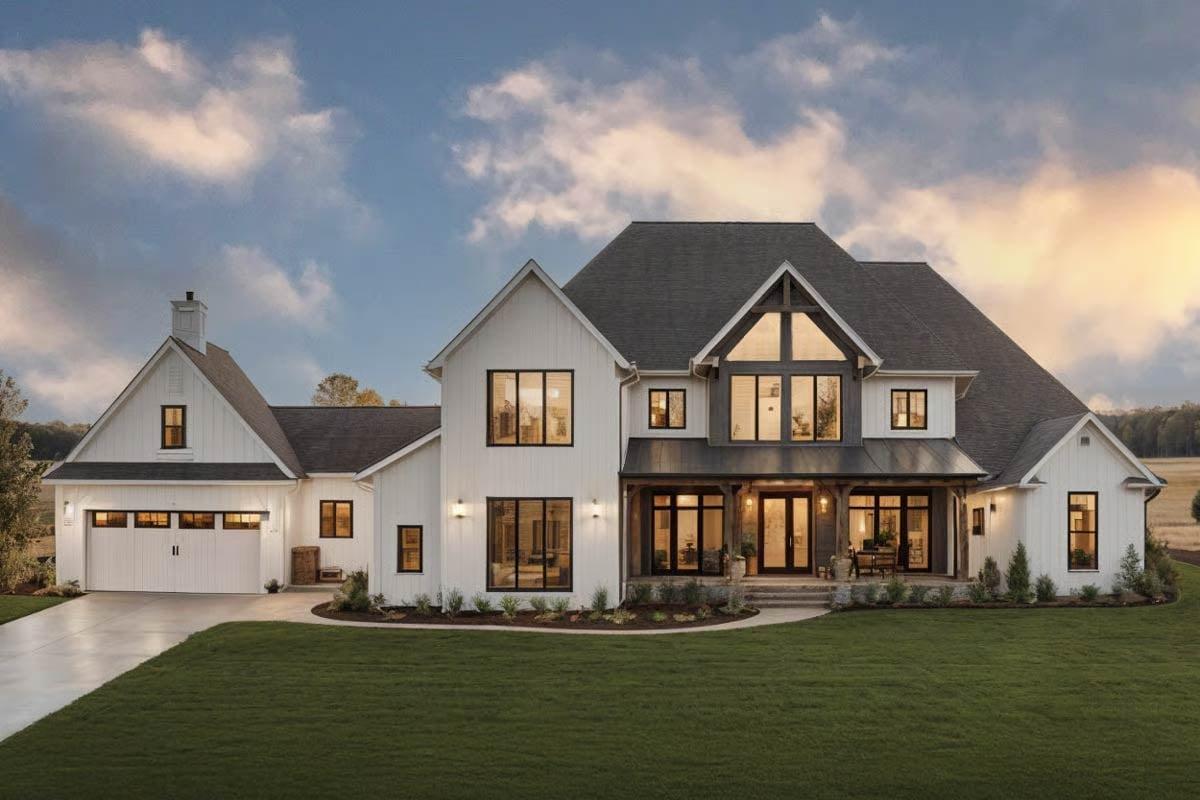
Rochester MI New Construction: What Buyers Should Know Before Choosing a New Home

Compare new builds with resale homes, learn what to expect during the process, and discover how to choose a builder you can trust.

Finding a home that fits your life is rarely simple. Older houses often come with hidden repairs, dated layouts, and compromises you only notice after moving in. That is why more buyers are turning to brand-new homes, where every system is fresh, every room is planned with modern living in mind, and the first few years are free from surprise repair bills. If you are weighing your options, a little preparation goes a long way.

Why Buyers Are Choosing Brand-New Homes

A newly built home offers advantages that are hard to match on the resale market.

  • Modern layouts: Open kitchens, flexible rooms, and generous storage.
  • Energy efficiency: Updated insulation, windows, and mechanical systems can help lower utility bills.
  • Lower early maintenance: New roofs, appliances, and systems mean fewer immediate repairs.
  • Personal choice: Many buyers can select finishes, fixtures, and colors.
  • Warranty protection: Builders typically back their work with a written warranty.

How a New Build Compares With a Resale Home

Existing homes can offer mature landscaping and established character, but they also carry unknowns. Roof age, plumbing materials, and past repairs may not be obvious during a showing. With a new build, you know what is behind the walls because you watched it go up. The home is also planned around your lifestyle rather than someone else’s. The tradeoff is timing, because construction takes months rather than weeks, so it helps to plan your move carefully.

Where to Start Your Search

If you are exploring rochester mi new construction, begin by defining the basics. Decide how many bedrooms and bathrooms you need, which features you cannot live without, and what monthly payment feels comfortable. Then think about location. Rochester is known for its walkable downtown, nearby parks, and trail access, and buyers often weigh commute times, school options, and neighborhood character alongside the house itself. Getting pre-approved for financing early also helps you move quickly when the right opportunity appears.

What to Look for in a Builder

The builder shapes your experience as much as the floor plan does. Look for:

  • Track record: Review completed homes and ask to visit finished properties.
  • Transparent pricing: Know what is included in the base price and what counts as an upgrade.
  • Clear communication: A responsive team previews how the project will go.
  • Local knowledge: Familiarity with permits, codes, and area conditions saves time.
  • Homeowner feedback: Speak with recent buyers about their experience.

What to Expect During the Process

Most projects begin with a consultation about your goals, budget, and timeline. Next come design choices, including floor plan, lot, and finishes, followed by contracts and permits. Construction moves through foundation, framing, mechanical systems, insulation, drywall, and interior finishes. Inspections confirm code compliance at key stages, and a final walkthrough lets you note any last details before closing. A builder who explains each stage in plain language keeps you informed rather than overwhelmed.

Budget Beyond the Base Price

The base price is only part of the picture. Upgrades, landscaping, window coverings, appliances, and closing costs can add up quickly. Ask for a written list of what is included, and set aside a contingency fund for late changes or unexpected site conditions. Planning for the full cost early helps you decide where to invest and where to save.

Think About Long-Term Value

A well-built home holds its appeal for future buyers. Modern layouts, efficient systems, and quality materials tend to attract interest when it is time to sell. Consider flexible spaces such as a home office or finished lower level, which adapt as your needs change. Durable finishes and timeless design also help the home stay relevant for years.

Mistakes to Avoid

Choosing on price alone is a common trap, since a low bid can hide missing items that show up later as change orders. Rushing design decisions is another, because changes after framing are costly. Skipping the fine print or relying on verbal promises can also lead to disputes. Get every selection and agreement in writing, and take time to review before you sign.

Conclusion

A new home gives you the chance to start fresh with modern systems, thoughtful design, and a warranty behind the work. Define your priorities, compare builders carefully, plan for the full cost, and keep every decision documented. Bloomingdale Homes is dedicated to quality craftsmanship, honest communication, and floor plans that fit real life, guiding local buyers from first conversation to final walkthrough. When you are ready to begin, reach out and let’s talk about the home you want.

Frequently Asked Questions

  1. How long does it take to build a new home?
    Timelines depend on size, design complexity, weather, and permitting. Many projects take several months from groundbreaking to move-in, so ask your builder for a written schedule.
  2. Can I choose my own finishes?
    In most cases, yes. Builders usually offer selections for flooring, cabinets, countertops, fixtures, and colors, with some options included and others available as upgrades.
  3. Does a newly built home come with a warranty?
    Most builders provide a written warranty covering workmanship and major systems for a set period. Review the terms and ask how service requests are handled.
  4. Is building more expensive than buying a resale home?
    It depends on the size, location, and finishes. A new home may cost more upfront, but you can save on early repairs, and efficient systems may reduce utility bills.
  5. Should I get an independent inspection on a new home?
    Yes. Local inspectors check for code compliance, but a separate inspection can catch details you might otherwise miss before closing.

Custom Home in Rochester Hills: How to Design a Place That Fits Your Life

Learn how the design process works, what shapes your budget, and how to plan a build that reflects your style and your family’s needs.

Some homes are chosen. Others are created. When you build from the ground up, every decision reflects the way you live, from the flow of the kitchen to the light in the morning room. There are no compromises on layout, no walls you wish were somewhere else, and no renovation list waiting after move-in. For many families, that freedom is worth the extra planning, and with the right preparation, the journey can be as rewarding as the finished house.

Why Homeowners Choose to Build From Scratch

Buying an existing house means adapting your life to someone else’s choices. Building lets you reverse that.

  • A layout that fits: Place rooms, storage, and gathering spaces where your routines need them.
  • Quality you control: Choose materials, fixtures, and finishes that match your standards.
  • Energy efficiency: Modern insulation, windows, and systems can help lower utility costs.
  • Room to grow: Plan for guests, aging parents, or a future home office from day one.

Start With How You Live

Before you look at floor plans, think about your daily rhythm. Where does the family gather? Do you cook often, host holidays, or work from home? Do you need a quiet retreat, a mudroom for busy mornings, or a main-floor primary suite you can enjoy for decades? Write down your must-haves and your nice-to-haves. This list becomes the foundation for every conversation with your design team and helps you avoid paying for features that look impressive but never get used.

Where to Begin Your Planning

If you are dreaming of a custom home in Rochester Hills, start by collecting inspiration. Save photos of kitchens, exteriors, and details you love, and note why each one appeals to you. Patterns will emerge, whether it is natural materials, bright open spaces, or classic traditional lines. Bring that collection to your first meeting so your builder can translate your taste into practical design decisions. The more clearly you describe your vision, the smoother the rest of the process becomes.

Set a Realistic Budget

Costs go well beyond the construction itself. Plan for the land, site preparation, permits, design fees, utility connections, finishes, landscaping, and window treatments. Many homeowners also set aside a contingency fund, often around ten percent, for unexpected conditions or late upgrades. Ask for a detailed breakdown that separates allowances from fixed prices. Knowing where your money is going makes it easier to decide where to splurge and where to save.

Choose the Right Lot

The lot shapes the home as much as your wish list does. Rochester Hills offers established neighborhoods, wooded parcels, and convenient access to parks, trails, shopping, and schools. When evaluating a property, consider:

  • Topography and drainage: Slopes and soil conditions affect foundation design and cost.
  • Utilities: Confirm access to water, sewer, electricity, and gas.
  • Setbacks and restrictions: Local rules and association guidelines can limit size and placement.
  • Orientation: The direction your home faces influences natural light and energy use.

Understand the Build Process

A clear roadmap reduces stress. Most projects follow these stages:

  1. Consultation: Discuss your goals, budget, and timeline.
  2. Design and planning: Develop floor plans, select a lot, and finalize specifications.
  3. Permits and contracts: Secure approvals and review scope, pricing, and schedule in writing.
  4. Construction: Foundation, framing, mechanical systems, insulation, drywall, and finishes.
  5. Inspections and walkthrough: Confirm code compliance and note any final touches.

Mistakes to Avoid

Choosing on price alone is the most common error, since a low bid can hide missing items that appear later as change orders. Others rush design decisions, then regret a layout once the walls are framed. Skipping written agreements is another risk, so get every selection, change, and promise documented. Finally, avoid overbuilding for the neighborhood, which can make it harder to recover your investment if you sell.

Conclusion

A home built around your life is within reach when you plan carefully, communicate openly, and work with a team that values craftsmanship. Define your priorities, set a realistic budget, choose the right lot, and keep every decision in writing. Bloomingdale Homes helps local families turn ideas into well-built residences through clear guidance, quality materials, and attention to detail at every stage. When you are ready to start, reach out and let’s talk about the home you have been imagining.

Frequently Asked Questions

  1. How long does it take to build a home from the ground up?
    Timelines depend on size, design complexity, weather, and permitting. Many projects take several months to a year or more, so ask your builder for a written schedule.
  2. Is building more expensive than buying an existing house?
    It can be, depending on the lot, size, and finishes. However, you pay only for features you choose, and you avoid many of the repair and renovation costs that come with older properties.
  3. Can I bring my own plans or architect?
    Many builders welcome outside plans and collaborate with architects. Discuss this early so your builder can review the design for budget and constructability.
  4. Do I need to own land before I begin?
    Not necessarily. Some builders help you find and evaluate a lot, while others build on land you already own. Your builder can explain which path suits your situation.
  5. How are changes handled once construction starts?
    Changes are typically documented through written change orders that outline the cost and schedule impact. Finalizing decisions before construction begins helps keep your project on budget.

Home Builders in Rochester Hills MI: How to Choose the Right Partner for Your New Home

Learn what to look for in a builder, how the process works, and which questions to ask before you break ground.

Building a new home is one of the biggest investments most families will ever make, and one of the most personal. The floor plan, the finishes, and the neighborhood all shape how you live for years to come. But a home is only as good as the team that builds it. Choosing a builder you trust can mean the difference between an exciting journey and a stressful one.

Why Building New Appeals to Buyers

Older homes have charm, but they often come with surprises like outdated wiring, aging roofs, and layouts that never quite fit modern life. New construction avoids many of those problems and lets you shape the details that matter most.

  • Modern layouts: Open living areas, flexible rooms, and generous storage.
  • Energy efficiency: Updated insulation, windows, and systems can lower utility bills.
  • Fresh everything: New roofs, appliances, and mechanicals mean fewer early repairs.
  • Personal choice: Select finishes, fixtures, and features that suit your taste.

Start With Your Priorities

Before you meet with anyone, get clear on what you need. Write down the bedrooms, bathrooms, and square footage that feel comfortable, along with must-haves such as a home office, a three-car garage, or a main-floor primary suite. Set a realistic budget that covers the lot, permits, upgrades, landscaping, and a contingency fund. Clear priorities make every conversation more productive and keep you from chasing features that look nice but do not serve your daily life.

Where to Begin Your Search

When you start comparing home builders in Rochester Hills MI, look beyond the first impression of a model home or a polished website. Review completed projects, read client feedback, and ask to speak with recent homeowners. A quality builder will gladly share past work and explain how they handle design, pricing, and scheduling. Pay attention to how quickly they respond and how clearly they communicate, because that experience previews the months ahead.

Questions to Ask Before You Sign

A good conversation reveals more than a brochure. Consider asking:

  • Are you licensed and insured in Michigan?
  • What is included in the base price, and what counts as an upgrade?
  • How do you handle change orders and unexpected costs?
  • Who will be my main point of contact during construction?
  • What warranty do you provide, and how are service requests handled?
  • What is a realistic timeline from contract to move-in?

Understand the Building Process

Most projects follow a similar path. It begins with a consultation about your goals, budget, and timeline, followed by design and planning, including floor plan selection, lot evaluation, and finish choices. After contracts are signed and permits approved, site work and foundation begin, then framing, mechanical systems, insulation, drywall, and interior finishes. Inspections confirm that the work meets local codes, and a final walkthrough lets you flag anything that needs attention. A builder who explains each stage in plain language helps you feel informed instead of overwhelmed.

Think About Location and Lot

Rochester Hills offers established neighborhoods, wooded settings, and convenient access to parks, trails, shopping, and schools. When choosing a lot or community, consider your commute, future resale appeal, and the character of the surrounding area. Ask whether utilities are available, whether association rules apply, and how drainage and grading will affect your yard. A good builder will help you evaluate these details before you commit.

Mistakes to Avoid

Many buyers choose on price alone, then discover hidden costs later. Others skim the contract or assume a verbal promise is binding. Underestimating upgrade costs is another common problem, since small selections add up quickly, and rushing design decisions can lead to regret once the walls are up. Take your time, get everything in writing, and ask questions whenever something is unclear.

Conclusion

The right builder turns a complicated project into a rewarding experience. Define your priorities, ask thoughtful questions, review past work, and choose a team that communicates openly. Bloomingdale Homes is committed to quality craftsmanship, clear guidance, and designs that fit the way you live, helping local families move from first idea to final walkthrough with confidence. When you are ready to start planning, reach out and let’s talk about the home you have in mind.

Frequently Asked Questions

  1. How long does it take to build a new home?
    Timelines vary with size, design complexity, weather, and permitting. Many projects take several months from groundbreaking to move-in, so ask your builder for a written schedule.
  2. Can I customize a floor plan?
    Many builders allow changes to layouts, finishes, and features. The extent of customization depends on the plan, the lot, and your budget, so discuss options early.
  3. What should be included in a new home contract?
    A clear contract should outline the price, scope of work, included materials, payment schedule, timeline, change order process, and warranty terms.
  4. Do I need to own the land before I start?
    Not always. Some builders offer homes on lots they already control, while others build on land you own. Your builder can explain which path fits your situation.
  5. How much should I budget beyond the base price?
    Plan for upgrades, landscaping, window treatments, closing costs, and a contingency fund. Many buyers set aside extra funds so small surprises do not derail the project.


A Buyer’s Guide to Building Across Oakland County, MI

What sets each community apart, and what to consider before choosing where and who to build with

Oakland County covers a remarkably wide range of housing markets, and that variety is part of what makes it one of the most popular places in Michigan to build a custom home. A family weighing a wooded lot in Bloomfield Hills against a newer subdivision in Rochester Hills or an infill parcel near downtown Birmingham is really weighing three different lifestyles, price points, and design considerations, not just three dots on a map. Before settling on a location or a builder, it helps to understand how these communities differ and what that means for the building process itself.

Understanding the County’s Range of Markets

Bloomfield Hills and Birmingham tend to command premium land prices and favor larger, architecturally distinctive homes, often on wooded or lakefront lots with more restrictive design guidelines set by local historic or architectural review boards. Rochester and Rochester Hills offer a mix of established neighborhoods and newer developments, generally with more available lot inventory and slightly more flexibility on design than the county’s most exclusive pockets. Farther west, communities like West Bloomfield and Commerce Township draw buyers looking for larger parcels and lake access, while areas closer to Troy and Auburn Hills tend to appeal to families prioritizing commute times alongside strong schools. None of these markets is inherently better than another; the right fit depends entirely on what a family values most.

Why Lot Selection Matters More Than People Expect

Across the county, the lot itself often has more influence on the final design and budget than buyers initially realize. Wooded and sloped lots common in Bloomfield Hills and parts of West Bloomfield can require additional site engineering, tree preservation planning, and sometimes a walkout basement design to work with the natural grade, all of which affect cost. Flatter lots in newer Rochester Hills developments are typically more straightforward to build on but may come with stricter subdivision-level architectural guidelines dictating exterior materials or minimum square footage. A builder who’s worked across multiple Oakland County townships will already understand these differences and can help set realistic expectations before a family falls in love with a lot that complicates the budget.

Local Permitting and Township Differences

Each township and city within Oakland County manages its own permitting process, and timelines, fee structures, and inspection requirements can vary more than people expect between neighboring communities. Some townships move through plan review quickly, while others have more involved processes tied to zoning variances or architectural committee approval, particularly in historic districts. Builders with established relationships across multiple jurisdictions tend to navigate this more smoothly than companies working in unfamiliar territory for the first time, which can meaningfully affect how long a project takes from permit application to groundbreaking.

Designing for Michigan’s Climate, County-Wide

Regardless of which community a family chooses, southeast Michigan’s climate shapes certain design decisions consistently across the county. Proper insulation, moisture management, and foundation drainage matter just as much in a Troy subdivision as they do on a wooded Bloomfield Hills lot, and buyers should expect any reputable builder to prioritize these details regardless of exterior style. Homes across Oakland County increasingly incorporate larger windows to capture natural light during shorter winter days, along with covered outdoor living spaces designed to extend usable time outside through the unpredictable stretch between late spring and early fall.

Choosing a Builder Who Can Work Across the County

Families weighing multiple Oakland County communities during their search benefit from working with custom home builders Oakland County MI families have relied on across several townships, rather than a company whose experience is limited to a single city, since that broader familiarity tends to translate into fewer surprises during permitting and site work. It’s worth asking directly which communities a builder has completed projects in, how recently, and whether they can speak specifically to that township’s permitting quirks and any architectural review requirements that might apply to a particular lot.

Bringing the Decision Together

Building across Oakland County means balancing lot characteristics, township requirements, and personal style against budget and timeline, and the right builder should be able to guide that conversation honestly rather than steering every client toward a single formula. Families throughout Rochester, Birmingham, Bloomfield Hills, and the surrounding Oakland County communities who want that kind of county-wide experience and straightforward guidance have found it with Bloomingdale Homes, which brings the same careful, transparent approach to every project regardless of which township it’s built in.

Frequently Asked Questions

  1. Which Oakland County communities are best suited for custom home building? It depends on priorities. Bloomfield Hills and Birmingham suit buyers wanting larger, architecturally distinctive homes, while Rochester, Rochester Hills, and areas farther west often offer more available lot inventory and slightly more design flexibility.
  2. Does the type of lot affect how much a custom home costs? Yes. Wooded or sloped lots often require additional site engineering and grading work, while flatter, more open lots are typically more straightforward and cost-predictable to build on.
  3. Do permitting requirements differ between Oakland County townships? Significantly. Timelines, fees, and architectural review requirements vary by municipality, so it helps to work with a builder who already has established relationships across the townships being considered.
  4. Are there design guidelines specific to certain Oakland County neighborhoods? Some communities, particularly historic districts in Birmingham and Bloomfield Hills, have architectural review boards that regulate exterior materials, scale, and style, so it’s worth confirming these requirements before finalizing a design.
  5. Should I choose my lot or my builder first? Ideally both are considered together. An experienced local builder can help evaluate whether a specific lot fits the budget and design goals before a purchase is finalized, which can prevent costly surprises later.

What to Know Before You Start Your Search in Birmingham, MI

Why inventory is tight, what resale buyers are running into, and how new construction is changing the equation for local families

Birmingham, Michigan has long been one of the most desirable addresses in Oakland County, and that reputation hasn’t cooled off in recent years. Tree-lined streets, a walkable downtown filled with restaurants and boutiques, and a highly regarded school district keep demand steady even as the number of available properties stays limited. For buyers who’ve started their search recently, the experience has probably felt more competitive than expected, with well-priced listings moving fast and older homes often needing significant work before they match what a family actually wants. Understanding why the market behaves this way makes it much easier to plan a realistic search strategy.

Why Inventory Stays So Tight

Birmingham is a small, largely built-out city, which means there’s simply less raw land available for new subdivisions compared to fast-growing suburbs farther from Detroit. Most of the housing stock dates back several decades, and many homeowners who bought years ago have little incentive to sell given how much property values have appreciated. When a well-maintained home does hit the market, it often draws multiple offers within days, particularly in sought-after pockets near downtown or within walking distance of the top-rated elementary schools. This combination of limited supply and consistent demand keeps competition high across almost every price bracket.

What Buyers Run Into With Older Homes

A large share of Birmingham’s resale inventory was built well before current buyer expectations around open floor plans, primary suite sizing, and energy efficiency took hold. Many charming older homes come with outdated electrical systems, aging mechanicals, or layouts that chop up space in ways that don’t suit modern family life. Buyers frequently find themselves weighing a home’s character and location against the reality of a six-figure renovation just to bring the kitchen, bathrooms, and systems up to a standard they’d actually want to live with. That calculation changes the math on what “affordable” really means once renovation costs are added to the purchase price.

Where New Construction Fits Into the Picture

For buyers frustrated by bidding wars over homes that still need major work, building new has become an increasingly practical alternative. Rather than competing for a limited pool of existing listings, families can secure a lot, whether infill within Birmingham itself or in one of the well-connected communities just outside it, and build a home designed around how they actually live. This approach sidesteps the inspection surprises and deferred maintenance that come with older housing stock, and it allows buyers to prioritize the features that matter most to them, from a mudroom sized for a busy family to an open kitchen built for entertaining, rather than settling for whatever floor plan happens to be available.

Financing and Timeline Considerations

Building rather than buying resale does change the financial planning involved. Most custom projects require a construction loan that converts to a standard mortgage once the home is complete, and lenders will want a clear budget, timeline, and builder contract before approving that financing. It typically takes longer to move into a newly built home than to close on an existing one, often eight months to a year or more depending on complexity, so families weighing both paths need to factor timing into decisions like lease expirations or school enrollment deadlines. For many buyers, though, the tradeoff of a longer timeline in exchange for a home built exactly to their specifications is well worth the wait.

Comparing the Full Cost Picture

It’s easy to compare a resale listing price directly against a new construction quote and assume resale is automatically cheaper, but that comparison rarely accounts for the full picture. A move-in-ready new home doesn’t carry the near-term costs of a new roof, updated HVAC, or a kitchen remodel that an older Birmingham home might require within the first few years of ownership. Buyers evaluating homes to buy in Birmingham MI are often better served comparing total cost of ownership over five or ten years rather than sticker price alone, since deferred maintenance on an older property has a way of showing up faster than expected.

Making the Right Choice for Your Family

There’s no single right answer between buying resale and building new in Birmingham; it depends on timeline, budget flexibility, and how much a family values customization versus an established, walkable location. What matters most is going into the decision with a clear picture of both paths rather than assuming the first available listing is the only option. Families who’ve explored what a custom build could look like often find that Bloomingdale Homes offers a compelling third path, one that combines the location families want with a home designed specifically around how they plan to live in it.

Frequently Asked Questions

  1. Why is Birmingham’s housing inventory so limited? Birmingham is a small, largely built-out city with little available land for new development, and long-time homeowners often have little financial incentive to sell, which keeps the number of listings consistently low.
  2. Is it cheaper to buy an older home or build new in Birmingham? It depends on the property. Older homes often carry hidden renovation costs for outdated systems or layouts, so comparing total cost of ownership over several years usually gives a more accurate picture than comparing sticker prices alone.
  3. How long does it take to build a new home compared to buying resale? Buying resale can close in a matter of weeks, while building typically takes eight months to a year or more depending on the home’s size and complexity.
  4. Do I need a special type of loan to build a custom home? Most custom builds require a construction loan, which converts into a standard mortgage once the home is finished. Lenders will want a detailed budget, timeline, and builder contract before approving financing.
  5. Can I build a custom home near downtown Birmingham? Infill lots within Birmingham are limited but do come available, and many families also consider well-connected nearby communities that offer more land while staying close to Birmingham’s schools and amenities.

How to Choose the Right Custom Home Builder in Rochester, MI

A practical guide to vetting builders, reading a portfolio, and avoiding costly missteps before you break ground

Deciding to build rather than buy is only the first decision in a much longer process. The choice that follows, picking the company that will actually design and construct the home, carries far more weight than most first-time buyers expect. A skilled builder can turn a rough list of wants into a home that fits daily life perfectly. A poor fit, on the other hand, can mean blown budgets, missed deadlines, and finishes that never quite match what was promised. For families planning a project in Rochester, Michigan, knowing what separates a dependable builder from a risky one is worth the time it takes to research properly.

Start With Local Experience, Not Just General Experience

Homebuilding in Oakland County comes with its own set of considerations: local zoning rules, township permitting timelines, soil conditions that vary from one subdivision to the next, and architectural expectations that differ between older established neighborhoods and newer developments. A company with a long track record in another state, or even a different part of Michigan, won’t necessarily understand these local nuances the same way a builder who has worked in and around Rochester for years will. Ask any company under consideration how many projects they’ve completed specifically in the area and whether they can point to homes nearby that you could actually drive past.

Review the Portfolio With a Critical Eye

Photos on a website only tell part of the story. It helps to ask for a range of completed projects, not just the two or three glossiest examples featured in marketing materials. Look for variety in architectural style, and pay attention to details like trim work, exterior finishes, and how well the homes seem to have aged if any were completed several years back. Where possible, request to speak with past clients directly. A builder confident in their work will have no hesitation connecting you with homeowners willing to share an honest account of the experience, including any hiccups that came up along the way.

Ask About Process, Not Just Price

Pricing matters, but a quote by itself doesn’t tell you much without understanding what’s actually included. Two builders can quote similar totals while one is using mid-grade materials throughout and the other is padding allowances that get exceeded the moment a client picks real fixtures. Ask for a detailed breakdown of what’s covered under the base price versus what counts as an upgrade, and how change orders are documented and approved once construction begins. It’s also worth asking how often you’ll receive updates, whether there’s a single point of contact throughout the build, and how the company handles delays caused by weather, permitting, or supply issues, since all three come up regularly in Michigan construction.

Confirm Licensing, Insurance, and Warranty Coverage

This step gets skipped more often than it should. Every builder operating in Michigan should carry proper state licensing and adequate liability and workers’ compensation insurance, and should be willing to provide documentation without hesitation. Beyond that, ask what warranty coverage comes with the finished home, how long it lasts, and what process exists for addressing issues that surface after move-in, since settling, minor cracking, and mechanical adjustments are normal in the first year of any new build.

Trust the Communication Style, Not Just the Sales Pitch

The person who walks a prospective client through the initial consultation often isn’t the person managing day-to-day construction. It’s worth meeting the actual project manager or site supervisor before signing anything, since that relationship will matter far more over the coming months than the initial sales conversation. Pay attention to how questions are answered during this stage. A team that’s patient, direct, and willing to explain tradeoffs honestly during the sales process tends to carry that same approach through construction. One that rushes through details or avoids specifics is worth a second look before committing.

Anyone comparing options for a custom home builder Rochester MI families have trusted for years should weigh all of these factors together rather than defaulting to whichever company offers the lowest initial estimate, since the cheapest quote rarely stays the cheapest option once the project is underway.

Making the Final Decision

Choosing a builder ultimately comes down to a combination of proven local work, transparent pricing, and a team that treats communication as seriously as construction quality. Families who take the time to vet these details upfront tend to have a far smoother experience than those who rush the decision. Bloomingdale Homes has built that kind of trust with families throughout Rochester and the surrounding Oakland County communities, guiding each project with the same honest, hands-on approach from the first design meeting through the final walkthrough.

Frequently Asked Questions

  1. How do I know if a builder has enough local experience in Rochester? Ask directly how many homes they’ve completed in the area and request addresses or a drive-by tour of recent projects, since local permitting knowledge and familiarity with township requirements can significantly affect the timeline.
  2. What questions should I ask before signing a contract? Ask what’s included in the base price versus what counts as an upgrade, how change orders are handled, what the payment schedule looks like, and what warranty coverage applies after move-in.
  3. Is the cheapest quote usually the best option? Not typically. Lower quotes often exclude items that get added back in later as upgrades, so it’s more useful to compare what’s actually included rather than the bottom-line number alone.
  4. Who will manage my project day to day? This varies by company, but it’s worth meeting the actual project manager or site supervisor before signing, since this is the person you’ll be communicating with most throughout construction.
  5. What warranty protection should a new custom home include? Most reputable builders offer structural and workmanship warranties covering at least the first year, with some extending coverage longer for specific systems like foundations or major mechanicals.

Finding the Right Home Builder in Rochester, MI for Your Forever Home

How to choose a custom builder who understands Oakland County living, from lot selection to move-in day

Rochester, Michigan has quietly become one of the most sought-after places to put down roots in Oakland County. Between its walkable downtown, top-rated schools, and easy access to both the Clinton River Trail and the highways that lead into Detroit, it’s no surprise that more families are choosing to build here rather than settle for an existing house that only checks half the boxes on their list. But building a custom home is a big undertaking, and the builder you choose will shape nearly every part of that experience, from the first sketch on paper to the day you turn the key.

Why Custom Building Makes Sense in Rochester

Rochester’s housing stock ranges from historic bungalows near downtown to sprawling estates on wooded acreage, but inventory in any given style or price point can be scarce. When buyers can’t find a home that matches their vision, building from the ground up becomes the more practical path. Custom construction also lets families choose their own lot, whether that means a quiet cul-de-sac close to Rochester’s award-winning schools or a larger parcel with room to grow. The tradeoff for that flexibility is that the process requires more decisions, more coordination, and a builder who can guide clients through each stage without letting details slip through the cracks.

What Sets a Quality Builder Apart

Not every construction company operates the same way, and the difference shows up long before the foundation is poured. A builder worth hiring will walk clients through realistic budgets early, rather than letting costs balloon partway through the project. They’ll have established relationships with architects, engineers, and skilled tradespeople who understand local building codes and the specific soil and drainage conditions common to southeast Michigan. Communication matters just as much as craftsmanship; families who feel informed at every milestone, rather than left guessing about timelines or change orders, tend to look back on the process far more fondly.

Transparency around materials is another marker of quality. Whether a client wants a traditional Colonial exterior or a more contemporary layout with open sightlines and larger windows, the builder should be upfront about what different choices cost and how they’ll hold up over time in Michigan’s freeze-thaw winters. A good team treats the homeowner as a partner in the design, not just a customer signing off on someone else’s plan.

The Custom Home Building Process

Most projects begin with a discovery conversation covering lifestyle needs, must-have rooms, and budget range. From there, the builder or an in-house designer develops floor plans, which typically go through a few rounds of revision before anyone breaks ground. Once plans are finalized, permitting and site preparation begin, followed by the foundation, framing, and the long list of mechanical, electrical, and finishing work that turns a frame into a livable home. Depending on size and complexity, the full timeline often runs anywhere from eight months to well over a year.

Anyone comparing a home builder in Rochester, MI should ask how each company structures this timeline and how often they provide updates, since delays are far more manageable when they’re communicated early rather than discovered after the fact.

Designing for the Way Rochester Families Actually Live

Local buyers tend to favor open-concept kitchens that flow into family living spaces, mudrooms sized for hockey bags and school backpacks, and finished lower levels that double as guest suites or home offices. Outdoor living has also become a priority, with covered patios and three-season rooms extending the usable square footage well past Michigan’s short summer. A builder familiar with the area will already have a sense of which features tend to matter most to Rochester buyers and can help prioritize a wish list against a realistic budget.

Energy efficiency is worth raising early in the conversation too. Better insulation, high-performance windows, and efficient HVAC systems cost more upfront but pay off steadily through Michigan’s cold winters and humid summers, and they tend to matter to future buyers if a family ever decides to sell.

Bringing It All Together

Choosing where and how to build is one of the most personal decisions a family will make, and the right builder turns that decision into a home that actually fits daily life rather than a generic floor plan. Families in Rochester and the surrounding Oakland County communities who want a partner who understands both the craftsmanship and the local landscape will find that experience with Bloomingdale Homes, where custom design and steady, honest communication guide every project from the first conversation to the final walkthrough.

Frequently Asked Questions

  1. How long does it typically take to build a custom home in Rochester, MI? Most custom homes take between eight months and a year and a half to complete, depending on size, design complexity, and how quickly design decisions are finalized.
  2. What’s the difference between a custom builder and a production builder? A custom builder designs each home around the client’s specific lot, lifestyle, and preferences, while a production builder works from a set catalog of pre-designed floor plans with limited customization.
  3. Do I need to already own land before contacting a builder? Not necessarily. Many builders help clients evaluate and select a lot as part of the early planning process, factoring in soil conditions, setbacks, and neighborhood fit.
  4. How much input do homeowners have in the design process? Homeowners are typically involved at every stage, from initial floor plan sketches through finish selections like flooring, cabinetry, and fixtures, working alongside the builder’s design team.
  5. What should I ask a builder before signing a contract? It’s worth asking about their typical timeline, how they handle change orders and unexpected costs, what’s included versus considered an upgrade, and whether they can provide references from recent Oakland County projects.

Newly Constructed Homes in Bloomfield Hills MI: What Today’s Buyers Should Expect

A closer look at the modern build boom in one of Michigan’s most established communities

Bloomfield Hills has always carried a certain weight in metro Detroit real estate — sprawling lots, mature landscaping, and a level of privacy that’s hard to replicate closer to the city. For decades, the housing stock here leaned heavily on grand, older estates. But that’s shifting. More buyers are now looking for the space and prestige of Bloomfield Hills paired with the efficiency, layout, and technology of a home built today rather than fifty years ago. That shift is changing what “buying in Bloomfield Hills” actually looks like.

Why New Construction Is Gaining Ground Here

Older homes in this area often come with undeniable charm, but also with the tradeoffs that come with age — outdated mechanical systems, layouts built for a different era of family life, and renovation costs that can quietly rival the price of building new. Buyers who once assumed a historic estate was the only path to owning in Bloomfield Hills are increasingly weighing a different option: tearing down or building on an available lot to get exactly what they want from the ground up.

This isn’t just about aesthetics. New construction allows for open floor plans that suit how families actually live now, energy-efficient systems that lower long-term costs, and the ability to future-proof a home with smart-home wiring, flexible home office space, and multi-generational living options — all things that are difficult or prohibitively expensive to retrofit into a decades-old structure.

What Sets Bloomfield Hills Apart From Other New-Build Markets

Building new here isn’t the same as building in a fresh subdivision. Lots tend to be larger and more established, often with mature trees, existing grading, and neighborhood character that needs to be respected rather than bulldozed. Local zoning and architectural review requirements are also more particular than in newer developments, since much of the community’s appeal comes from a consistent, high-end aesthetic across the area.

Buyers exploring newly constructed homes in Bloomfield Hills, MI should expect a more involved permitting and design-review process than they might find elsewhere — which is exactly why working with a team that already understands local requirements matters so much here.

What to Prioritize When Evaluating a New Build

Not all new construction is created equal, and a few factors separate a truly well-built home from one that simply looks new:

  • Foundation and structural quality — the parts you can’t see are often more important than the finishes you can.
  • Energy efficiency standards — insulation, windows, and HVAC systems built for Michigan’s climate swings, not just a mild-weather average.
  • Site-specific design — a plan that actually fits the lot’s grading and tree canopy, rather than a generic layout dropped onto it.
  • Warranty and post-close support — how issues get handled once you’ve moved in matters as much as how the home looks on day one.

Buyers who ask pointed questions about these details tend to end up far happier with their home five years down the road than those who focused only on finishes during the walkthrough.

The Long-Term Value Case for Building New

Beyond lifestyle benefits, new construction in an established area like this tends to hold value well, since it combines a location buyers already want with a home that won’t need major systems replaced for decades. It’s a combination that’s increasingly hard to find as available lots become scarcer across the community.

Bringing It All Together

Bloomfield Hills continues to offer something rare — space, privacy, and a prestigious address — but the way buyers are pursuing it is changing. New construction gives families the chance to combine that established setting with a home genuinely built for how they live today, without compromising on the craftsmanship the area is known for.

That’s the balance Bloomingdale Homes aims to strike on every project in Bloomfield Hills: honoring the character of the community while delivering a home built with modern standards from the foundation up.

Frequently Asked Questions

  1. Is it cheaper to buy an older home or build new in Bloomfield Hills? It depends on the property, but factoring in renovation costs for outdated systems, older homes aren’t always the more affordable option once true long-term costs are considered.
  2. How long does new construction typically take in this area? Most projects take 10 to 16 months from groundbreaking to move-in, though local permitting and architectural review can add time compared to newer subdivisions elsewhere.
  3. Are there strict design requirements for new builds in Bloomfield Hills? Yes, many areas have architectural review guidelines meant to preserve the community’s overall character, so working with a builder familiar with these requirements helps avoid delays.
  4. Can I build on a teardown lot in an established neighborhood? In many cases, yes — this is one of the more common paths to new construction here, though site evaluation for grading, trees, and zoning is essential before committing to a lot.
  5. What should I prioritize most when comparing new-construction builders? Structural quality, energy efficiency for Michigan’s climate, familiarity with local permitting, and clear post-move-in support tend to matter more long-term than showroom finishes alone.


Homes to Buy in Birmingham MI: What Buyers Should Know Before They Search

A practical look at the market, neighborhoods, and what actually drives value in this Oakland County gem

Birmingham, Michigan has long held a reputation as one of metro Detroit’s most desirable places to live — walkable downtown streets lined with boutiques and restaurants, top-tier schools, and a mix of historic charm and modern development that’s hard to find elsewhere in the region. For buyers weighing their options, it’s easy to see the appeal. But finding the right home here takes more than scrolling listings. It takes understanding what actually makes this market tick.

Why Birmingham Stands Out in a Crowded Market

Unlike many suburbs that grew up around a single big-box retail corridor, Birmingham built its identity around a genuinely walkable downtown. Buyers aren’t just purchasing a house — they’re buying proximity to a lifestyle: morning coffee within walking distance, weekend farmers markets, and a short commute into the city for those who need it. That lifestyle premium shows up in home values, and it’s part of why inventory here tends to move faster than in neighboring communities.

The housing stock itself is also more varied than people expect. You’ll find charming 1920s bungalows a few blocks from downtown, mid-century ranches in quieter pockets, and newer construction on the outskirts where larger lots are still available. That range means the search process looks different depending on what a buyer actually prioritizes — walkability, lot size, school boundaries, or architectural style.

What Actually Drives Value Here

Location within Birmingham matters more than almost anywhere else in the region. A home two blocks from downtown can carry a meaningfully different price tag than a comparable home ten minutes away, even within the same school district. Lot size and mature landscaping also carry weight, since many of the most established streets were built out decades ago and larger parcels are increasingly rare.

Condition and updates matter too, but not in the way some buyers assume. In a market like this, thoughtful renovations that respect a home’s original character often hold value better than a full teardown-and-rebuild — though both approaches exist here, and both have their place depending on the lot and the buyer’s goals.

Narrowing the Search: Questions Worth Asking

Before diving into listings, it helps to get specific about priorities:

  • How important is walkability to downtown versus a quieter, more residential feel?
  • Are you prioritizing school boundaries, or is that flexible?
  • Do you want a move-in-ready home, or are you open to renovation potential?
  • What’s your realistic timeline, given how quickly desirable listings tend to move here?

Answering these honestly upfront saves a lot of wasted time touring homes that don’t actually fit the life you’re trying to build.

Working With Someone Who Knows the Market

Birmingham’s competitive pace means timing and local knowledge matter more than in a slower market. An agent or advisor who understands which streets are trending, which listings tend to see multiple offers, and how to structure a competitive bid without overextending a budget can make a meaningful difference. This is especially true for buyers relocating from outside the immediate area who don’t have years of context on the neighborhood-by-neighborhood nuances.

For those specifically searching for homes to buy in Birmingham mi, working with someone plugged into the local pipeline — including upcoming listings that haven’t hit the broader market yet — often opens doors that a standard online search simply won’t surface.

Bringing It All Together

Birmingham rewards buyers who take the time to understand what makes each pocket of the city different, rather than treating it as one uniform market. Whether the priority is a walk to downtown, a quiet tree-lined street, or room to eventually renovate or rebuild, there’s a real range of options here for buyers willing to look closely.

That local insight and hands-on guidance is exactly what Bloomingdale Homes brings to buyers navigating this market, helping match the right home to the life each family is actually trying to build.

Frequently Asked Questions

  1. Is Birmingham, MI a competitive housing market? Yes. Desirable listings, especially those close to downtown or within top school boundaries, often move quickly and can see multiple offers, so buyers benefit from being pre-qualified and ready to act.
  2. What’s the typical price range for homes in Birmingham? Prices vary widely by location, lot size, and condition — homes closer to downtown or on larger, established lots typically command a premium compared to those farther from the city center.
  3. Are there still opportunities for new construction or teardown-rebuild projects? Yes, particularly on the outskirts of the city or on larger lots, though these opportunities are more limited than in newer developing suburbs.
  4. How important are school boundaries when buying in Birmingham? Very important for many buyers, since school district lines can shift even a block or two apart and directly influence both price and demand for a given street.
  5. Should I consider renovating an older home instead of buying new? It depends on the lot and your goals — many buyers find that thoughtful updates to an established home preserve character and value, while others prefer new construction for modern layouts and efficiency.