Newly Constructed Homes in Bloomfield Hills MI: What Today’s Buyers Should Expect

A closer look at the modern build boom in one of Michigan’s most established communities

Bloomfield Hills has always carried a certain weight in metro Detroit real estate — sprawling lots, mature landscaping, and a level of privacy that’s hard to replicate closer to the city. For decades, the housing stock here leaned heavily on grand, older estates. But that’s shifting. More buyers are now looking for the space and prestige of Bloomfield Hills paired with the efficiency, layout, and technology of a home built today rather than fifty years ago. That shift is changing what “buying in Bloomfield Hills” actually looks like.

Why New Construction Is Gaining Ground Here

Older homes in this area often come with undeniable charm, but also with the tradeoffs that come with age — outdated mechanical systems, layouts built for a different era of family life, and renovation costs that can quietly rival the price of building new. Buyers who once assumed a historic estate was the only path to owning in Bloomfield Hills are increasingly weighing a different option: tearing down or building on an available lot to get exactly what they want from the ground up.

This isn’t just about aesthetics. New construction allows for open floor plans that suit how families actually live now, energy-efficient systems that lower long-term costs, and the ability to future-proof a home with smart-home wiring, flexible home office space, and multi-generational living options — all things that are difficult or prohibitively expensive to retrofit into a decades-old structure.

What Sets Bloomfield Hills Apart From Other New-Build Markets

Building new here isn’t the same as building in a fresh subdivision. Lots tend to be larger and more established, often with mature trees, existing grading, and neighborhood character that needs to be respected rather than bulldozed. Local zoning and architectural review requirements are also more particular than in newer developments, since much of the community’s appeal comes from a consistent, high-end aesthetic across the area.

Buyers exploring newly constructed homes in Bloomfield Hills, MI should expect a more involved permitting and design-review process than they might find elsewhere — which is exactly why working with a team that already understands local requirements matters so much here.

What to Prioritize When Evaluating a New Build

Not all new construction is created equal, and a few factors separate a truly well-built home from one that simply looks new:

  • Foundation and structural quality — the parts you can’t see are often more important than the finishes you can.
  • Energy efficiency standards — insulation, windows, and HVAC systems built for Michigan’s climate swings, not just a mild-weather average.
  • Site-specific design — a plan that actually fits the lot’s grading and tree canopy, rather than a generic layout dropped onto it.
  • Warranty and post-close support — how issues get handled once you’ve moved in matters as much as how the home looks on day one.

Buyers who ask pointed questions about these details tend to end up far happier with their home five years down the road than those who focused only on finishes during the walkthrough.

The Long-Term Value Case for Building New

Beyond lifestyle benefits, new construction in an established area like this tends to hold value well, since it combines a location buyers already want with a home that won’t need major systems replaced for decades. It’s a combination that’s increasingly hard to find as available lots become scarcer across the community.

Bringing It All Together

Bloomfield Hills continues to offer something rare — space, privacy, and a prestigious address — but the way buyers are pursuing it is changing. New construction gives families the chance to combine that established setting with a home genuinely built for how they live today, without compromising on the craftsmanship the area is known for.

That’s the balance Bloomingdale Homes aims to strike on every project in Bloomfield Hills: honoring the character of the community while delivering a home built with modern standards from the foundation up.

Frequently Asked Questions

  1. Is it cheaper to buy an older home or build new in Bloomfield Hills? It depends on the property, but factoring in renovation costs for outdated systems, older homes aren’t always the more affordable option once true long-term costs are considered.
  2. How long does new construction typically take in this area? Most projects take 10 to 16 months from groundbreaking to move-in, though local permitting and architectural review can add time compared to newer subdivisions elsewhere.
  3. Are there strict design requirements for new builds in Bloomfield Hills? Yes, many areas have architectural review guidelines meant to preserve the community’s overall character, so working with a builder familiar with these requirements helps avoid delays.
  4. Can I build on a teardown lot in an established neighborhood? In many cases, yes — this is one of the more common paths to new construction here, though site evaluation for grading, trees, and zoning is essential before committing to a lot.
  5. What should I prioritize most when comparing new-construction builders? Structural quality, energy efficiency for Michigan’s climate, familiarity with local permitting, and clear post-move-in support tend to matter more long-term than showroom finishes alone.


Understanding Move-In Ready Inventory Versus Building from Scratch

Not every buyer wants to wait a year for a home to be built. Some need to move sooner, whether because of a job relocation, a lease ending, or simply a desire to stop house hunting and settle in. The good news is that new construction doesn’t always mean a long wait. Many builders offer move-in ready or near-complete homes that combine the benefits of new construction with a much shorter timeline, and understanding how that option works can open up possibilities buyers don’t always realize exist.

What “Move-In Ready” Actually Means

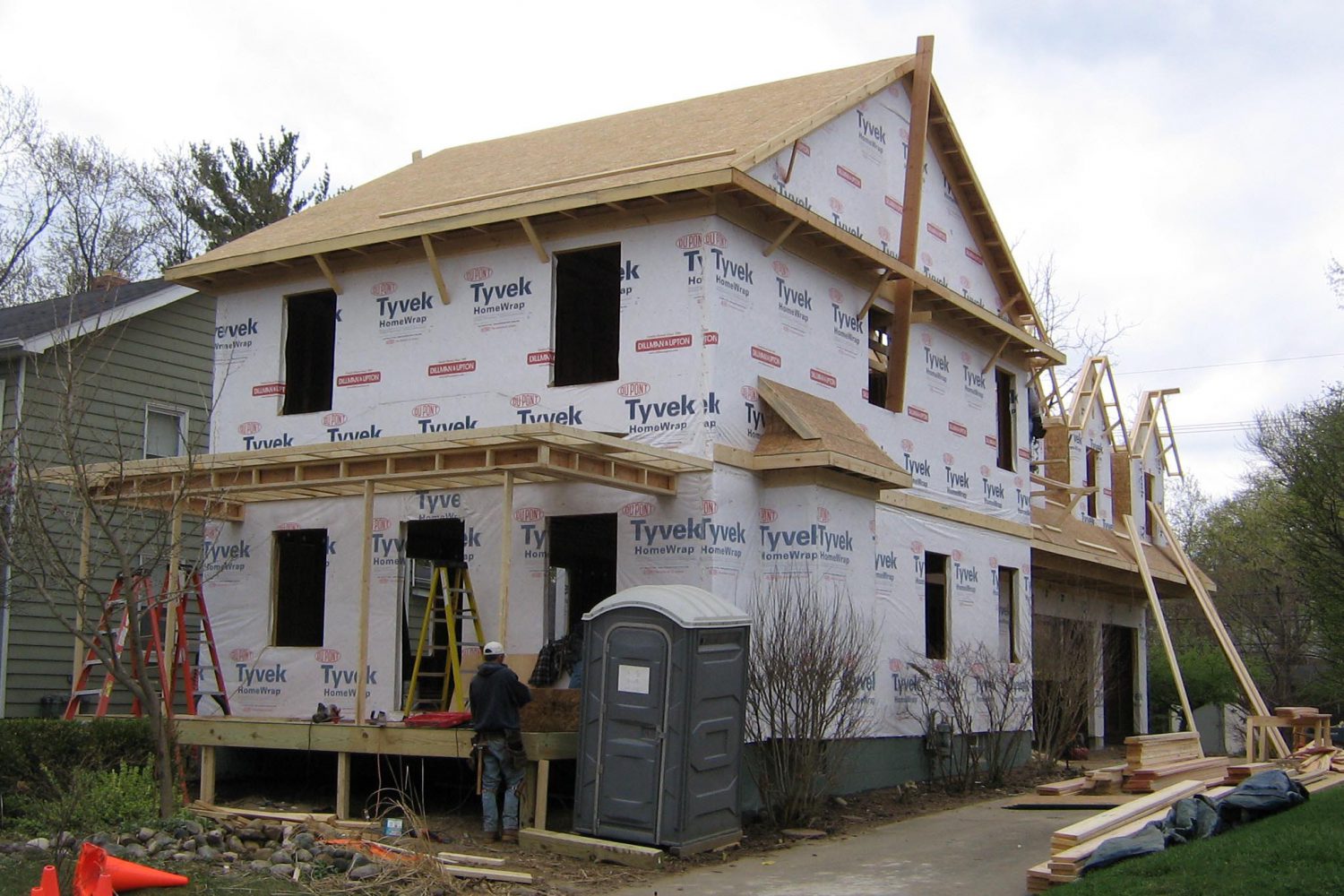
Builders often construct a certain number of homes on speculation, meaning the home is built based on popular floor plans and finish packages rather than a specific buyer’s custom order. These are sometimes called spec homes or quick move-in homes, and they’re typically at various stages of completion at any given time, from framing to fully finished and ready for a final walkthrough. Buying one of these means you get the benefits of new construction, updated systems, modern layout, fresh materials, without waiting through the entire building process from permit to move-in day.

Why This Option Appeals to a Different Kind of Buyer

Buyers drawn to this path tend to prioritize timeline over total customization. If you’re relocating for work, coordinating around a school year, or simply ready to be done with the search, a home that’s already built or close to finished removes a lot of the waiting that comes with a fully custom order. You still get to walk through the home before committing, which offers more certainty than buying based on a floor plan alone, but you also avoid the months of decision-making that a ground-up custom build requires.

The Tradeoff Worth Understanding

The tradeoff with move-in ready homes is limited personalization. Since the home is already built or nearly finished, buyers typically aren’t selecting their own flooring, cabinetry, or paint colors from scratch. Some builders allow minor selections if you get in early enough during construction, but the further along the home is, the fewer changes are realistically possible. For buyers who have a strong preference for total customization, this may not be the right fit, but for buyers who simply want a well-built, modern home without the wait, it often is.

Still New, Still Under Warranty

One thing that doesn’t change with a quick move-in home is the coverage you get. These homes are still brand new, built to current codes, and typically backed by the same builder warranty as a fully custom order. That means the same peace of mind around major systems and structural components, just delivered on a faster timeline.

Why Oakland County Continues to See Strong Demand

Location plays a major role in why this option has gained traction locally. Buyers exploring newly constructed homes Oakland County MI often find a healthy mix of available inventory alongside build-to-order opportunities, giving them flexibility depending on their timeline. Strong schools, manageable commutes, and a variety of neighborhood types across the county mean buyers aren’t sacrificing much by choosing a faster path to move-in.

Weighing Your Priorities

Deciding between a move-in ready home and a fully custom build really comes down to what matters most to you right now. If timeline is the priority, inventory homes offer a practical middle ground between resale and full customization. If personalization is non-negotiable, a custom build remains the better route, even with the longer wait attached.

Bloomingdale Homes is a good resource to check with if you’re weighing these options, since availability and timelines can shift depending on current inventory. Getting an early read on what’s available can help you make a decision that actually fits your schedule.

Frequently Asked Questions

  1. What’s the difference between a spec home and a custom home? A spec home is built by the builder using popular finishes and layouts before a buyer is found, while a custom home is designed and built specifically according to one buyer’s preferences.
  2. Can I still make changes to a move-in ready home? It depends on the stage of construction. Homes still in early framing stages may allow some selections, while nearly finished homes typically don’t.
  3. Is a move-in ready home priced differently than a custom build? Pricing varies by builder and finish level, but move-in ready homes are sometimes priced competitively to move quickly, while custom builds are priced based on selections and upgrades.
  4. Do move-in ready homes come with the same warranty as custom builds? Yes, in most cases, since they’re still newly constructed and typically covered under the same builder warranty terms.
  5. How quickly can I move in after purchasing a spec home? Timelines vary depending on how close to completion the home is at the time of purchase, but it’s often significantly faster than starting a custom build from the ground up.


What Families Should Know Before Choosing a New Build Nearby

Choosing where to put down roots is rarely just about the house itself. It’s about the schools your kids will attend, the parks you’ll spend Saturday mornings in, and whether the neighborhood feels like somewhere you’ll actually want to stay for the next decade or more. For a lot of families weighing their options right now, that search keeps circling back to one particular area, and for good reason.

A Community That Still Feels Like One

It’s easy to find suburbs that offer convenience but lack character, or areas with plenty of charm but a two-hour commute attached. What makes this region stand out is that it manages to hold onto both. There’s a genuine downtown with local businesses, a strong sense of community events throughout the year, and neighborhoods that feel connected rather than isolated from each other. For families, that combination matters just as much as square footage or a finished basement.

Why New Construction Keeps Winning Out

Touring older homes can feel like a treasure hunt, except the treasure is sometimes a furnace that’s on its last leg or a roof that’s due for replacement within a year or two. New construction removes a lot of that guesswork. Systems are installed to current building codes, materials are fresh, and most builders back their work with a warranty that covers major components for a set period after move-in. That peace of mind is hard to put a price on, especially for buyers who don’t want their first year of homeownership eaten up by repair bills.

Layouts Designed Around Modern Family Life

Older homes were built around different assumptions about how families live. Smaller kitchens, separate formal dining rooms that rarely get used, and limited closet space were the norm decades ago. Newer builds tend to prioritize open kitchens that flow into living spaces, larger mudrooms for managing shoes and backpacks, and flexible bonus rooms that can serve as a playroom now and a home office or guest room later. That flexibility tends to matter more as a family’s needs shift over time.

Energy Efficiency That Pays for Itself

Michigan weather doesn’t do anyone any favors when it comes to heating and cooling costs. Newer homes typically include better insulation, energy-efficient windows, and updated mechanical systems that use less energy while performing more reliably. Over several years of ownership, that efficiency adds up to meaningful savings on utility bills, and it also means fewer emergency repair calls during the coldest months of the year.

Schools and Green Space Still Come First

For many buyers searching specifically for Rochester MI newly constructed homes, the decision comes down to more than the structure itself. Strong school ratings, well-maintained parks, and a downtown that’s genuinely walkable all play a role in why families choose this area over comparable options nearby. It’s the kind of place where a new build doesn’t feel disconnected from community life, but rather adds to a neighborhood that already has its own identity.

The Advantage of Choosing Finishes Yourself

One part of the new construction process that families often appreciate is the ability to make selections before move-in. Flooring, cabinetry, countertops, and fixtures can typically be chosen to match your taste rather than inherited from a previous owner. That means skipping the renovation phase entirely and moving into a space that already feels finished and personal, without living through the noise and disruption of updating an older home room by room.

Making a Confident Decision

There’s no perfect formula for every family, but for buyers who want predictable costs, modern layouts, and a strong sense of community, new construction checks a lot of boxes at once. Bloomingdale Homes is a good place to start if you’re ready to explore what that could look like for your own family, well before you’re locked into a lot or a floor plan.

Frequently Asked Questions

  1. How long does it typically take to build a new home? Timelines vary based on design complexity and permitting, but most new builds take several months from groundbreaking to move-in. Your builder can give you a more specific estimate once a lot and floor plan are selected.
  2. Are new construction homes more expensive than resale homes? Upfront pricing can be comparable to or higher than resale, but new builds often save money over time through lower utility bills and fewer repair costs in the early years of ownership.
  3. Can I customize the floor plan of a new build? Many builders offer a range of customization, from finish selections to structural changes, depending on the plan and stage of construction. It’s worth discussing options early in the process.
  4. What kind of warranty comes with a newly built home? Most builders include warranty coverage on major systems and structural components for a set period after closing. Coverage details vary, so it’s worth reviewing the specifics with your builder.
  5. Is it harder to get a mortgage for new construction? Not necessarily. Many lenders offer construction-to-permanent loans specifically designed for new builds, and the process is generally straightforward with the right lender guidance.