
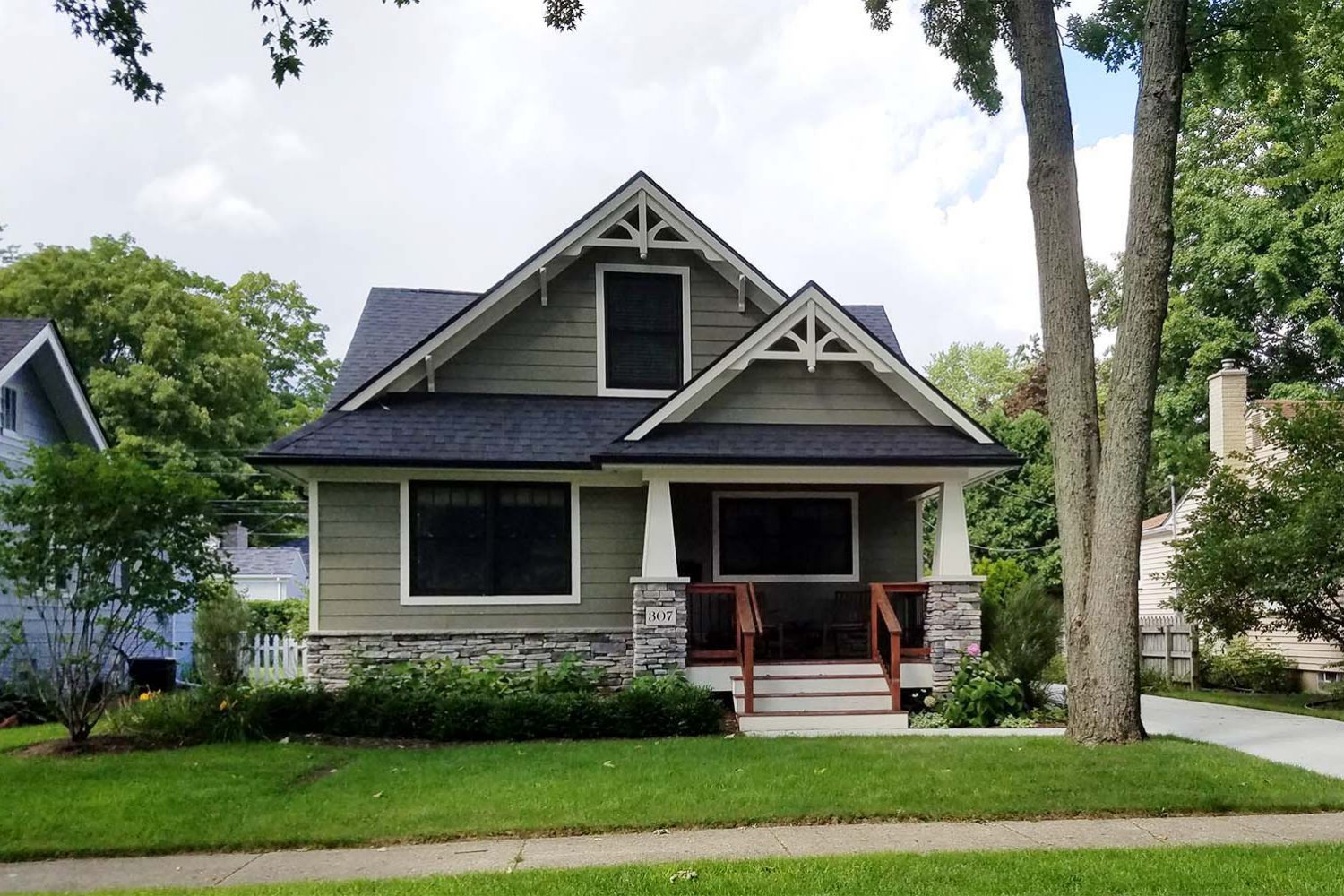
Choosing where to put down roots is rarely just about the house itself. It’s about the schools your kids will attend, the parks you’ll spend Saturday mornings in, and whether the neighborhood feels like somewhere you’ll actually want to stay for the next decade or more. For a lot of families weighing their options right now, that search keeps circling back to one particular area, and for good reason.
A Community That Still Feels Like One
It’s easy to find suburbs that offer convenience but lack character, or areas with plenty of charm but a two-hour commute attached. What makes this region stand out is that it manages to hold onto both. There’s a genuine downtown with local businesses, a strong sense of community events throughout the year, and neighborhoods that feel connected rather than isolated from each other. For families, that combination matters just as much as square footage or a finished basement.
Why New Construction Keeps Winning Out
Touring older homes can feel like a treasure hunt, except the treasure is sometimes a furnace that’s on its last leg or a roof that’s due for replacement within a year or two. New construction removes a lot of that guesswork. Systems are installed to current building codes, materials are fresh, and most builders back their work with a warranty that covers major components for a set period after move-in. That peace of mind is hard to put a price on, especially for buyers who don’t want their first year of homeownership eaten up by repair bills.
Layouts Designed Around Modern Family Life
Older homes were built around different assumptions about how families live. Smaller kitchens, separate formal dining rooms that rarely get used, and limited closet space were the norm decades ago. Newer builds tend to prioritize open kitchens that flow into living spaces, larger mudrooms for managing shoes and backpacks, and flexible bonus rooms that can serve as a playroom now and a home office or guest room later. That flexibility tends to matter more as a family’s needs shift over time.
Energy Efficiency That Pays for Itself
Michigan weather doesn’t do anyone any favors when it comes to heating and cooling costs. Newer homes typically include better insulation, energy-efficient windows, and updated mechanical systems that use less energy while performing more reliably. Over several years of ownership, that efficiency adds up to meaningful savings on utility bills, and it also means fewer emergency repair calls during the coldest months of the year.
Schools and Green Space Still Come First
For many buyers searching specifically for Rochester MI newly constructed homes, the decision comes down to more than the structure itself. Strong school ratings, well-maintained parks, and a downtown that’s genuinely walkable all play a role in why families choose this area over comparable options nearby. It’s the kind of place where a new build doesn’t feel disconnected from community life, but rather adds to a neighborhood that already has its own identity.
The Advantage of Choosing Finishes Yourself
One part of the new construction process that families often appreciate is the ability to make selections before move-in. Flooring, cabinetry, countertops, and fixtures can typically be chosen to match your taste rather than inherited from a previous owner. That means skipping the renovation phase entirely and moving into a space that already feels finished and personal, without living through the noise and disruption of updating an older home room by room.
Making a Confident Decision
There’s no perfect formula for every family, but for buyers who want predictable costs, modern layouts, and a strong sense of community, new construction checks a lot of boxes at once. Bloomingdale Homes is a good place to start if you’re ready to explore what that could look like for your own family, well before you’re locked into a lot or a floor plan.
Frequently Asked Questions
- How long does it typically take to build a new home? Timelines vary based on design complexity and permitting, but most new builds take several months from groundbreaking to move-in. Your builder can give you a more specific estimate once a lot and floor plan are selected.
- Are new construction homes more expensive than resale homes? Upfront pricing can be comparable to or higher than resale, but new builds often save money over time through lower utility bills and fewer repair costs in the early years of ownership.
- Can I customize the floor plan of a new build? Many builders offer a range of customization, from finish selections to structural changes, depending on the plan and stage of construction. It’s worth discussing options early in the process.
- What kind of warranty comes with a newly built home? Most builders include warranty coverage on major systems and structural components for a set period after closing. Coverage details vary, so it’s worth reviewing the specifics with your builder.
- Is it harder to get a mortgage for new construction? Not necessarily. Many lenders offer construction-to-permanent loans specifically designed for new builds, and the process is generally straightforward with the right lender guidance.