Why inventory is tight, what resale buyers are running into, and how new construction is changing the equation for local families
Birmingham, Michigan has long been one of the most desirable addresses in Oakland County, and that reputation hasn’t cooled off in recent years. Tree-lined streets, a walkable downtown filled with restaurants and boutiques, and a highly regarded school district keep demand steady even as the number of available properties stays limited. For buyers who’ve started their search recently, the experience has probably felt more competitive than expected, with well-priced listings moving fast and older homes often needing significant work before they match what a family actually wants. Understanding why the market behaves this way makes it much easier to plan a realistic search strategy.
Why Inventory Stays So Tight
Birmingham is a small, largely built-out city, which means there’s simply less raw land available for new subdivisions compared to fast-growing suburbs farther from Detroit. Most of the housing stock dates back several decades, and many homeowners who bought years ago have little incentive to sell given how much property values have appreciated. When a well-maintained home does hit the market, it often draws multiple offers within days, particularly in sought-after pockets near downtown or within walking distance of the top-rated elementary schools. This combination of limited supply and consistent demand keeps competition high across almost every price bracket.
What Buyers Run Into With Older Homes
A large share of Birmingham’s resale inventory was built well before current buyer expectations around open floor plans, primary suite sizing, and energy efficiency took hold. Many charming older homes come with outdated electrical systems, aging mechanicals, or layouts that chop up space in ways that don’t suit modern family life. Buyers frequently find themselves weighing a home’s character and location against the reality of a six-figure renovation just to bring the kitchen, bathrooms, and systems up to a standard they’d actually want to live with. That calculation changes the math on what “affordable” really means once renovation costs are added to the purchase price.
Where New Construction Fits Into the Picture
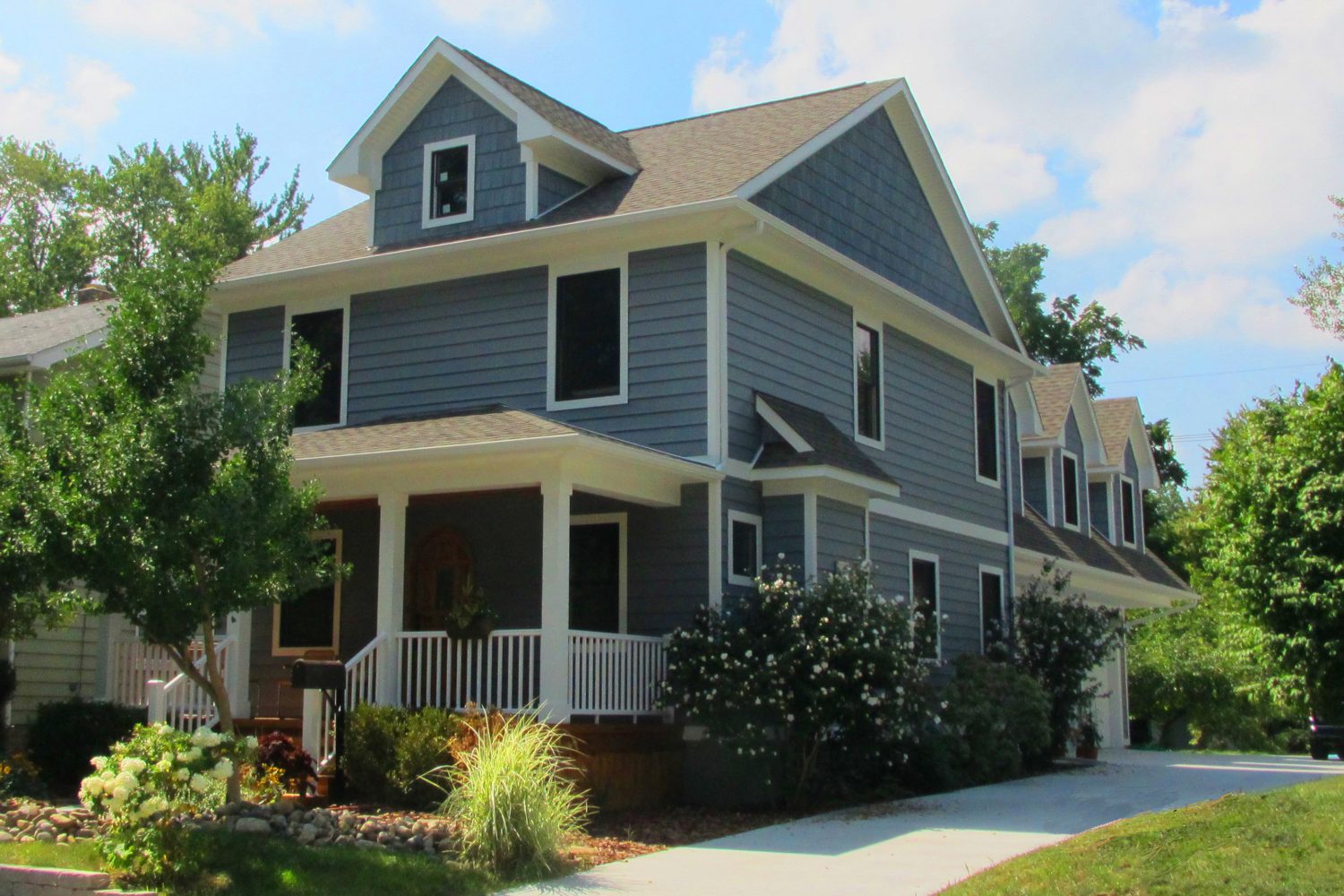
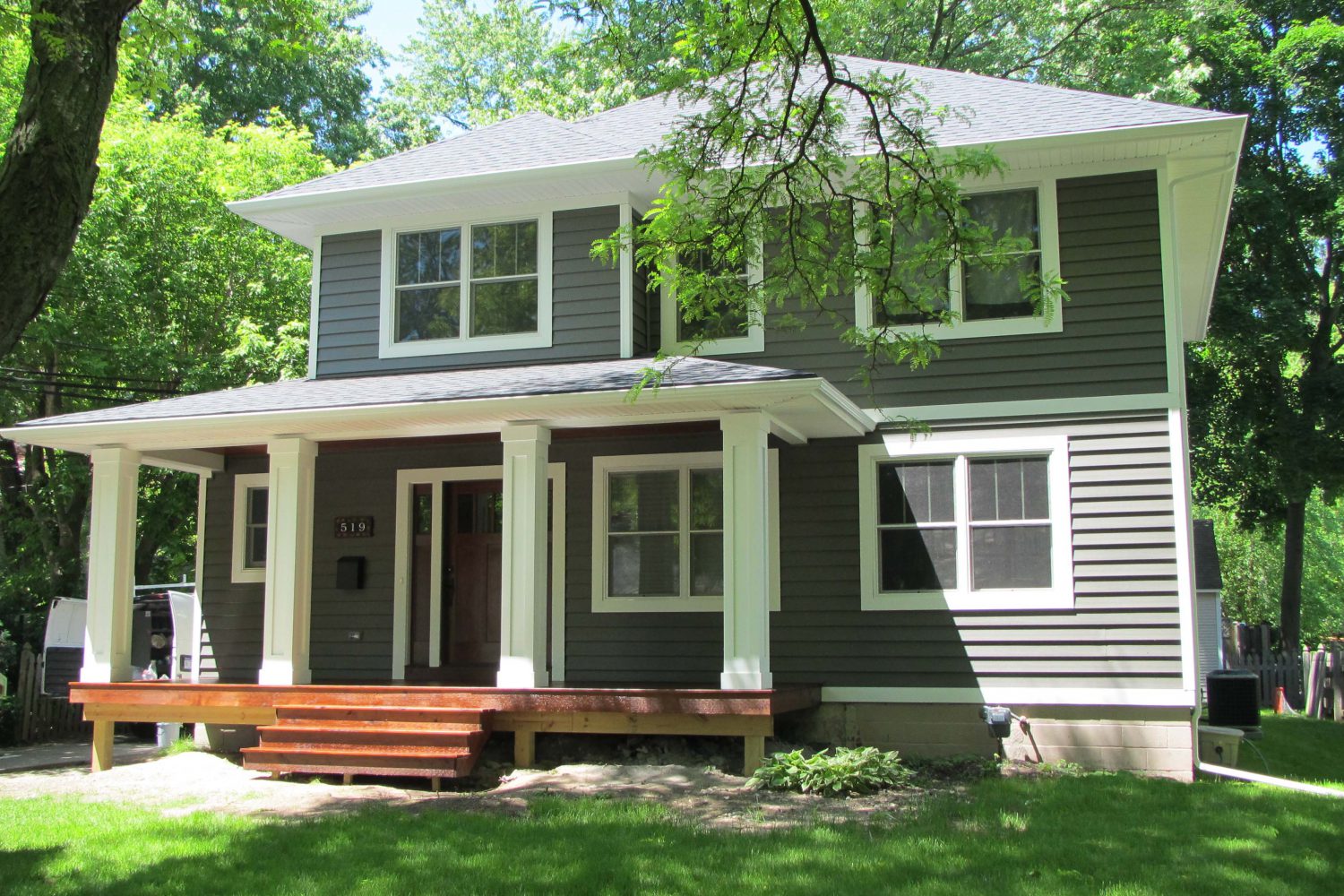
For buyers frustrated by bidding wars over homes that still need major work, building new has become an increasingly practical alternative. Rather than competing for a limited pool of existing listings, families can secure a lot, whether infill within Birmingham itself or in one of the well-connected communities just outside it, and build a home designed around how they actually live. This approach sidesteps the inspection surprises and deferred maintenance that come with older housing stock, and it allows buyers to prioritize the features that matter most to them, from a mudroom sized for a busy family to an open kitchen built for entertaining, rather than settling for whatever floor plan happens to be available.
Financing and Timeline Considerations
Building rather than buying resale does change the financial planning involved. Most custom projects require a construction loan that converts to a standard mortgage once the home is complete, and lenders will want a clear budget, timeline, and builder contract before approving that financing. It typically takes longer to move into a newly built home than to close on an existing one, often eight months to a year or more depending on complexity, so families weighing both paths need to factor timing into decisions like lease expirations or school enrollment deadlines. For many buyers, though, the tradeoff of a longer timeline in exchange for a home built exactly to their specifications is well worth the wait.
Comparing the Full Cost Picture
It’s easy to compare a resale listing price directly against a new construction quote and assume resale is automatically cheaper, but that comparison rarely accounts for the full picture. A move-in-ready new home doesn’t carry the near-term costs of a new roof, updated HVAC, or a kitchen remodel that an older Birmingham home might require within the first few years of ownership. Buyers evaluating homes to buy in Birmingham MI are often better served comparing total cost of ownership over five or ten years rather than sticker price alone, since deferred maintenance on an older property has a way of showing up faster than expected.
Making the Right Choice for Your Family
There’s no single right answer between buying resale and building new in Birmingham; it depends on timeline, budget flexibility, and how much a family values customization versus an established, walkable location. What matters most is going into the decision with a clear picture of both paths rather than assuming the first available listing is the only option. Families who’ve explored what a custom build could look like often find that Bloomingdale Homes offers a compelling third path, one that combines the location families want with a home designed specifically around how they plan to live in it.
Frequently Asked Questions
- Why is Birmingham’s housing inventory so limited? Birmingham is a small, largely built-out city with little available land for new development, and long-time homeowners often have little financial incentive to sell, which keeps the number of listings consistently low.
- Is it cheaper to buy an older home or build new in Birmingham? It depends on the property. Older homes often carry hidden renovation costs for outdated systems or layouts, so comparing total cost of ownership over several years usually gives a more accurate picture than comparing sticker prices alone.
- How long does it take to build a new home compared to buying resale? Buying resale can close in a matter of weeks, while building typically takes eight months to a year or more depending on the home’s size and complexity.
- Do I need a special type of loan to build a custom home? Most custom builds require a construction loan, which converts into a standard mortgage once the home is finished. Lenders will want a detailed budget, timeline, and builder contract before approving financing.
- Can I build a custom home near downtown Birmingham? Infill lots within Birmingham are limited but do come available, and many families also consider well-connected nearby communities that offer more land while staying close to Birmingham’s schools and amenities.