
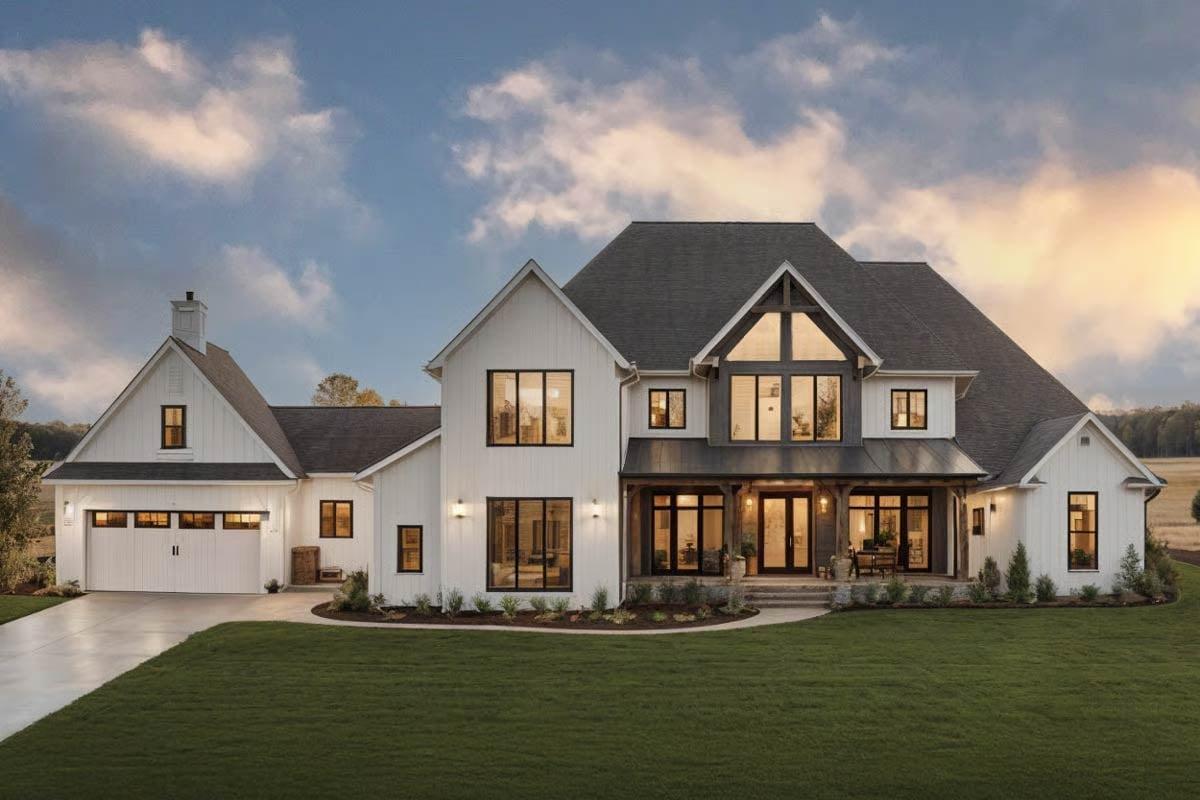
Learn how the design process works, what shapes your budget, and how to plan a build that reflects your style and your family’s needs.
Some homes are chosen. Others are created. When you build from the ground up, every decision reflects the way you live, from the flow of the kitchen to the light in the morning room. There are no compromises on layout, no walls you wish were somewhere else, and no renovation list waiting after move-in. For many families, that freedom is worth the extra planning, and with the right preparation, the journey can be as rewarding as the finished house.
Why Homeowners Choose to Build From Scratch
Buying an existing house means adapting your life to someone else’s choices. Building lets you reverse that.
- A layout that fits: Place rooms, storage, and gathering spaces where your routines need them.
- Quality you control: Choose materials, fixtures, and finishes that match your standards.
- Energy efficiency: Modern insulation, windows, and systems can help lower utility costs.
- Room to grow: Plan for guests, aging parents, or a future home office from day one.
Start With How You Live
Before you look at floor plans, think about your daily rhythm. Where does the family gather? Do you cook often, host holidays, or work from home? Do you need a quiet retreat, a mudroom for busy mornings, or a main-floor primary suite you can enjoy for decades? Write down your must-haves and your nice-to-haves. This list becomes the foundation for every conversation with your design team and helps you avoid paying for features that look impressive but never get used.
Where to Begin Your Planning
If you are dreaming of a custom home in Rochester Hills, start by collecting inspiration. Save photos of kitchens, exteriors, and details you love, and note why each one appeals to you. Patterns will emerge, whether it is natural materials, bright open spaces, or classic traditional lines. Bring that collection to your first meeting so your builder can translate your taste into practical design decisions. The more clearly you describe your vision, the smoother the rest of the process becomes.
Set a Realistic Budget
Costs go well beyond the construction itself. Plan for the land, site preparation, permits, design fees, utility connections, finishes, landscaping, and window treatments. Many homeowners also set aside a contingency fund, often around ten percent, for unexpected conditions or late upgrades. Ask for a detailed breakdown that separates allowances from fixed prices. Knowing where your money is going makes it easier to decide where to splurge and where to save.
Choose the Right Lot
The lot shapes the home as much as your wish list does. Rochester Hills offers established neighborhoods, wooded parcels, and convenient access to parks, trails, shopping, and schools. When evaluating a property, consider:
- Topography and drainage: Slopes and soil conditions affect foundation design and cost.
- Utilities: Confirm access to water, sewer, electricity, and gas.
- Setbacks and restrictions: Local rules and association guidelines can limit size and placement.
- Orientation: The direction your home faces influences natural light and energy use.
Understand the Build Process
A clear roadmap reduces stress. Most projects follow these stages:
- Consultation: Discuss your goals, budget, and timeline.
- Design and planning: Develop floor plans, select a lot, and finalize specifications.
- Permits and contracts: Secure approvals and review scope, pricing, and schedule in writing.
- Construction: Foundation, framing, mechanical systems, insulation, drywall, and finishes.
- Inspections and walkthrough: Confirm code compliance and note any final touches.
Mistakes to Avoid
Choosing on price alone is the most common error, since a low bid can hide missing items that appear later as change orders. Others rush design decisions, then regret a layout once the walls are framed. Skipping written agreements is another risk, so get every selection, change, and promise documented. Finally, avoid overbuilding for the neighborhood, which can make it harder to recover your investment if you sell.
Conclusion
A home built around your life is within reach when you plan carefully, communicate openly, and work with a team that values craftsmanship. Define your priorities, set a realistic budget, choose the right lot, and keep every decision in writing. Bloomingdale Homes helps local families turn ideas into well-built residences through clear guidance, quality materials, and attention to detail at every stage. When you are ready to start, reach out and let’s talk about the home you have been imagining.
Frequently Asked Questions
- How long does it take to build a home from the ground up?
Timelines depend on size, design complexity, weather, and permitting. Many projects take several months to a year or more, so ask your builder for a written schedule. - Is building more expensive than buying an existing house?
It can be, depending on the lot, size, and finishes. However, you pay only for features you choose, and you avoid many of the repair and renovation costs that come with older properties. - Can I bring my own plans or architect?
Many builders welcome outside plans and collaborate with architects. Discuss this early so your builder can review the design for budget and constructability. - Do I need to own land before I begin?
Not necessarily. Some builders help you find and evaluate a lot, while others build on land you already own. Your builder can explain which path suits your situation. - How are changes handled once construction starts?
Changes are typically documented through written change orders that outline the cost and schedule impact. Finalizing decisions before construction begins helps keep your project on budget.