
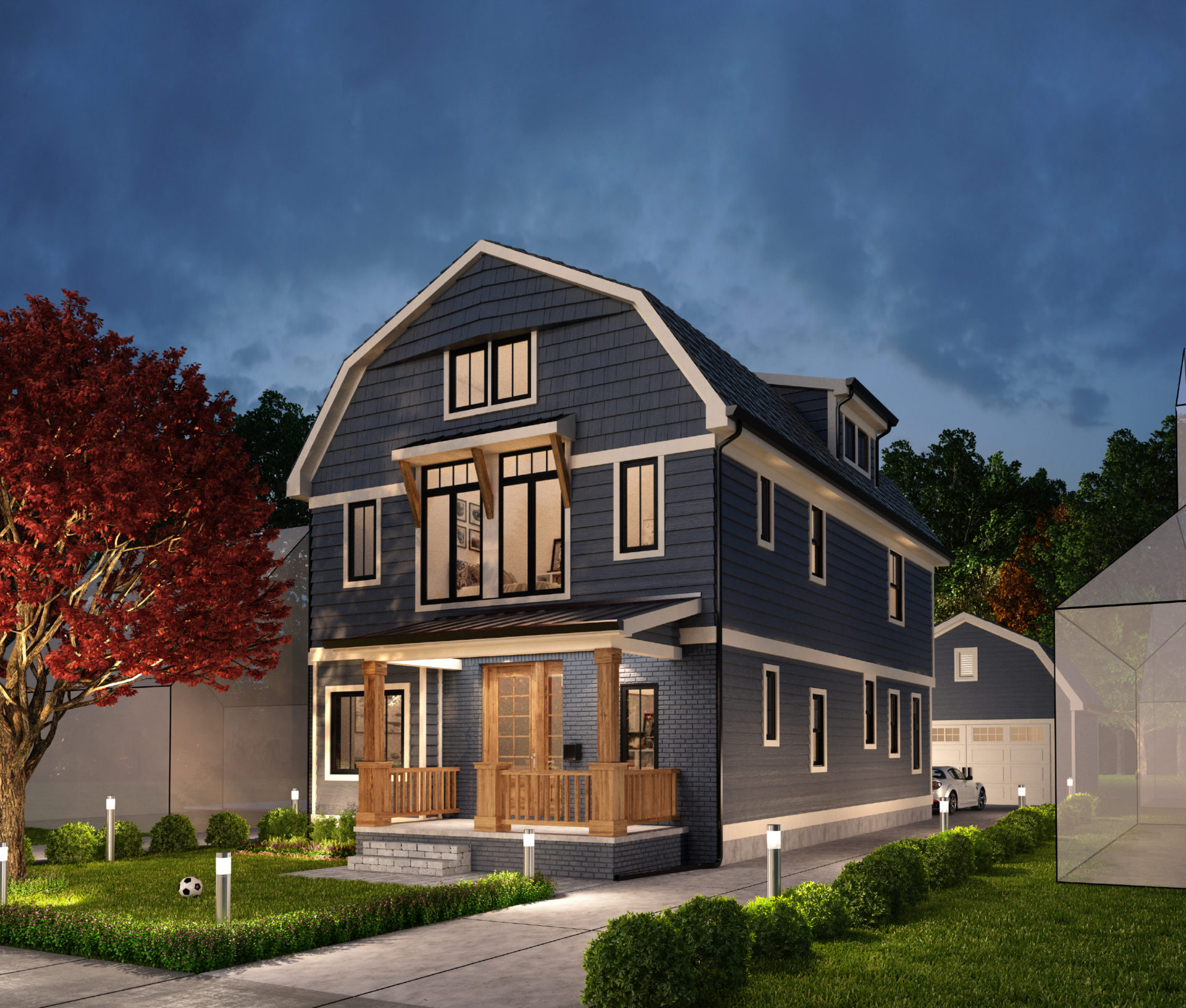
Compare new builds with resale homes, learn what to expect during the process, and discover how to choose a builder you can trust.
Finding a home that fits your life is rarely simple. Older houses often come with hidden repairs, dated layouts, and compromises you only notice after moving in. That is why more buyers are turning to brand-new homes, where every system is fresh, every room is planned with modern living in mind, and the first few years are free from surprise repair bills. If you are weighing your options, a little preparation goes a long way.
Why Buyers Are Choosing Brand-New Homes
A newly built home offers advantages that are hard to match on the resale market.
- Modern layouts: Open kitchens, flexible rooms, and generous storage.
- Energy efficiency: Updated insulation, windows, and mechanical systems can help lower utility bills.
- Lower early maintenance: New roofs, appliances, and systems mean fewer immediate repairs.
- Personal choice: Many buyers can select finishes, fixtures, and colors.
- Warranty protection: Builders typically back their work with a written warranty.
How a New Build Compares With a Resale Home
Existing homes can offer mature landscaping and established character, but they also carry unknowns. Roof age, plumbing materials, and past repairs may not be obvious during a showing. With a new build, you know what is behind the walls because you watched it go up. The home is also planned around your lifestyle rather than someone else’s. The tradeoff is timing, because construction takes months rather than weeks, so it helps to plan your move carefully.
Where to Start Your Search
If you are exploring rochester mi new construction, begin by defining the basics. Decide how many bedrooms and bathrooms you need, which features you cannot live without, and what monthly payment feels comfortable. Then think about location. Rochester is known for its walkable downtown, nearby parks, and trail access, and buyers often weigh commute times, school options, and neighborhood character alongside the house itself. Getting pre-approved for financing early also helps you move quickly when the right opportunity appears.
What to Look for in a Builder
The builder shapes your experience as much as the floor plan does. Look for:
- Track record: Review completed homes and ask to visit finished properties.
- Transparent pricing: Know what is included in the base price and what counts as an upgrade.
- Clear communication: A responsive team previews how the project will go.
- Local knowledge: Familiarity with permits, codes, and area conditions saves time.
- Homeowner feedback: Speak with recent buyers about their experience.
What to Expect During the Process
Most projects begin with a consultation about your goals, budget, and timeline. Next come design choices, including floor plan, lot, and finishes, followed by contracts and permits. Construction moves through foundation, framing, mechanical systems, insulation, drywall, and interior finishes. Inspections confirm code compliance at key stages, and a final walkthrough lets you note any last details before closing. A builder who explains each stage in plain language keeps you informed rather than overwhelmed.
Budget Beyond the Base Price
The base price is only part of the picture. Upgrades, landscaping, window coverings, appliances, and closing costs can add up quickly. Ask for a written list of what is included, and set aside a contingency fund for late changes or unexpected site conditions. Planning for the full cost early helps you decide where to invest and where to save.
Think About Long-Term Value
A well-built home holds its appeal for future buyers. Modern layouts, efficient systems, and quality materials tend to attract interest when it is time to sell. Consider flexible spaces such as a home office or finished lower level, which adapt as your needs change. Durable finishes and timeless design also help the home stay relevant for years.
Mistakes to Avoid
Choosing on price alone is a common trap, since a low bid can hide missing items that show up later as change orders. Rushing design decisions is another, because changes after framing are costly. Skipping the fine print or relying on verbal promises can also lead to disputes. Get every selection and agreement in writing, and take time to review before you sign.
Conclusion
A new home gives you the chance to start fresh with modern systems, thoughtful design, and a warranty behind the work. Define your priorities, compare builders carefully, plan for the full cost, and keep every decision documented. Bloomingdale Homes is dedicated to quality craftsmanship, honest communication, and floor plans that fit real life, guiding local buyers from first conversation to final walkthrough. When you are ready to begin, reach out and let’s talk about the home you want.
Frequently Asked Questions
- How long does it take to build a new home?
Timelines depend on size, design complexity, weather, and permitting. Many projects take several months from groundbreaking to move-in, so ask your builder for a written schedule. - Can I choose my own finishes?
In most cases, yes. Builders usually offer selections for flooring, cabinets, countertops, fixtures, and colors, with some options included and others available as upgrades. - Does a newly built home come with a warranty?
Most builders provide a written warranty covering workmanship and major systems for a set period. Review the terms and ask how service requests are handled. - Is building more expensive than buying a resale home?
It depends on the size, location, and finishes. A new home may cost more upfront, but you can save on early repairs, and efficient systems may reduce utility bills. - Should I get an independent inspection on a new home?
Yes. Local inspectors check for code compliance, but a separate inspection can catch details you might otherwise miss before closing.