
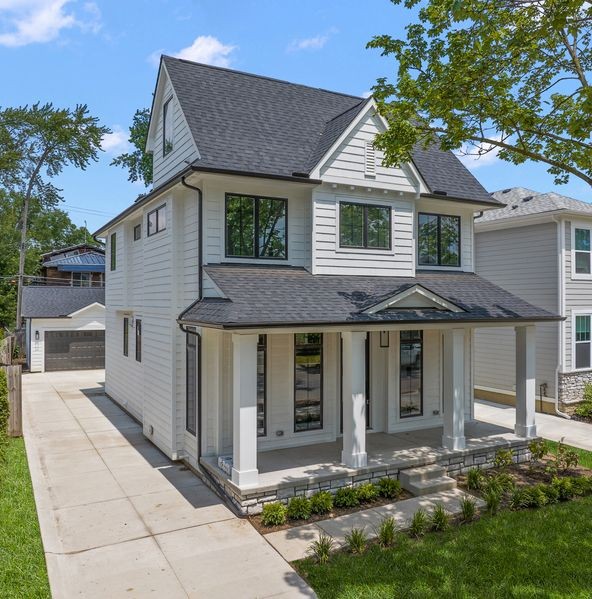
There’s a certain appeal to starting with an empty lot and ending with a home that reflects exactly what you envisioned. But that process looks very different from buying something already finished, and understanding each stage upfront can make the difference between a smooth build and a stressful one. For buyers considering a custom home in one of the region’s most established communities, knowing what to expect matters just as much as picking the right finishes.
It Starts with the Right Lot
Before any design work begins, the lot itself sets the boundaries for what’s possible. Setback requirements, lot dimensions, and existing tree cover all influence how a home can be oriented and how large it can realistically be. In established neighborhoods with limited available land, finding the right lot can actually be more competitive than selecting a builder, which is why buyers serious about a custom build often start their search here rather than with floor plans.
Design Comes Before Construction, Not During It
One of the biggest advantages of custom construction is the ability to shape the layout around your life rather than adapting to someone else’s decisions. That process typically involves working closely with an architect or design team to map out room placement, ceiling heights, window placement for natural light, and how indoor spaces connect to outdoor living areas. The more thoroughly this stage is handled upfront, the fewer costly changes come up once construction actually begins.
Where the Investment Really Shows
Custom builds tend to carry a different level of craftsmanship than production homes, and that shows in the details rather than the headline features. Solid wood flooring instead of engineered alternatives, custom-built cabinetry instead of stock options, and thoughtfully selected lighting and hardware all contribute to a finished product that feels cohesive rather than assembled from a catalog. These choices also tend to hold their value well over time, particularly in neighborhoods where buyers expect a certain level of quality.
Timelines Take Patience
Custom construction moves at a different pace than resale purchases or even production-built new homes. Between design finalization, permitting, and the construction process itself, buyers should expect a timeline measured in months, not weeks. That patience typically pays off, though, since every decision along the way is intentional rather than rushed, and changes made early in the process are far less costly than changes made after framing is already up.
Why This Market Continues to Support Custom Building
Few communities balance historic character with high-end new development as consistently as this one. Tree-lined streets, walkable downtown access, and a long-standing reputation for architectural quality all contribute to sustained demand. For buyers specifically searching for luxury custom homes Birmingham MI, the appeal usually goes beyond the home itself. It’s about building something exceptional within a community that already has an established identity and a strong track record of holding its value over time.
Planning for Resale, Even If You’re Not Planning to Sell
It might seem premature to think about resale value while you’re still designing your dream home, but smart buyers do exactly that. Thoughtful architectural choices, quality materials, and layouts that appeal broadly, rather than only to your personal taste, tend to protect your investment down the road. A good builder can help you strike the right balance between personalization and long-term marketability.
Bringing the Vision to Life
Custom building rewards buyers who are willing to be patient and involved throughout the process. It’s not the fastest path to a finished home, but it’s often the most rewarding one, particularly for buyers who have a clear sense of what they want and aren’t willing to settle for something close enough.
If you’re exploring what a custom build could look like for your family, Bloomingdale Homes is worth including in that conversation early on. Starting the discussion before you’ve finalized a lot gives you far more flexibility as the design process unfolds.
Frequently Asked Questions
- How long does a custom home build typically take? Most custom builds take anywhere from several months to over a year, depending on design complexity, permitting timelines, and the availability of materials and labor.
- Do I need to buy the lot before choosing a builder? Not necessarily, but many buyers find it helpful to secure a lot early since it directly influences design options and overall project feasibility.
- How much input do I really have over the design? Custom construction typically allows extensive input, from floor plan layout to material selections, though budget and lot constraints will shape what’s realistic.
- Are custom homes a good investment compared to buying resale? Custom homes often hold their value well in established, high-demand areas, especially when built with quality materials and broadly appealing design choices.
- What’s the biggest mistake buyers make during the custom build process? Rushing the design phase is common and often leads to costly changes later. Taking extra time upfront to finalize plans typically saves money during construction.