
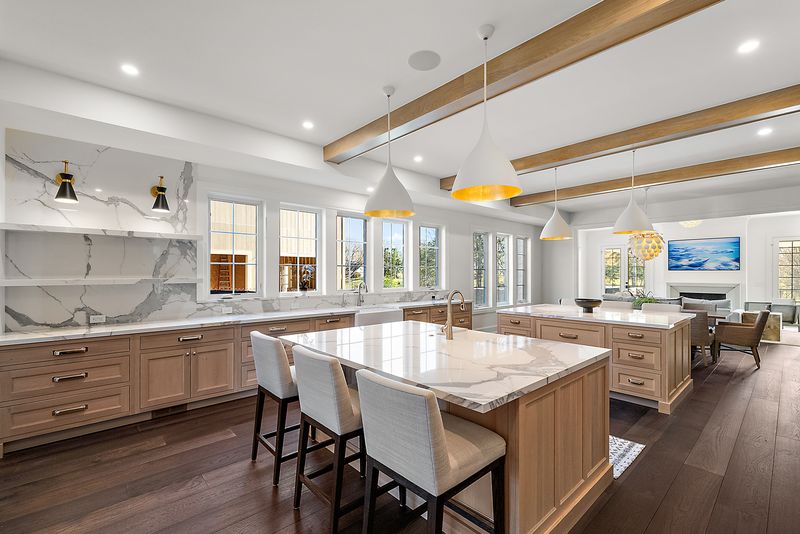
A practical guide to the custom home journey, from first sketch to final walkthrough
Building a home from the ground up is one of the most exciting decisions a family can make. It’s also one of the most personal — every hallway, window, and finish carries a small piece of how you actually want to live. But turning that vision into a livable, lasting home takes more than a great architect or a beautiful mood board. It takes a team that understands craftsmanship, timelines, and the thousand small decisions that separate a house from a home.
Why the Planning Phase Matters More Than You Think
Too many homeowners rush into construction before the plan is fully baked. A strong foundation — literally and figuratively — starts with clear goals. How many bedrooms will you actually use in ten years? Do you entertain often enough to justify an open-concept kitchen with a full butler’s pantry? Will your lifestyle call for a home office, a gym, or a guest suite down the line?
These aren’t small questions. They shape square footage, budget, and the overall flow of the home. Spending extra weeks on planning and design almost always saves months of costly changes once construction begins. A detailed set of drawings, a realistic budget with contingency built in, and a clear scope of work protect everyone involved — the homeowner, the architect, and the builder — from surprises later.
The Difference Between a Contractor and a True Building Partner
Not every builder approaches a project the same way. Some simply execute drawings handed to them. Others act as a genuine partner throughout the process — flagging design conflicts before they become expensive mistakes, sourcing materials that balance beauty with durability, and communicating proactively rather than only when something goes wrong.
This is where working with a luxury custom home builder makes the biggest difference. High-end custom builds involve more moving parts: specialty finishes, imported materials, intricate millwork, and integrated smart-home systems that all need to work together seamlessly. A builder with deep experience in this space knows how to sequence trades correctly, anticipate lead times on custom fixtures, and keep quality consistent from the foundation to the final coat of paint.
What to Look for Before You Sign a Contract
Before committing to any builder, it helps to look past the portfolio photos and ask sharper questions:
- How do they handle change orders? Changes are inevitable in custom builds — the process should be transparent, not a source of tension.
- Who is actually on-site day to day? A polished sales pitch means little if the on-site supervision is inconsistent.
- Can they show you completed homes, not just renderings? Walking through a finished project tells you more about fit and finish than any brochure.
- How do they communicate? Weekly updates, shared project management tools, and direct access to the project lead all matter once construction is underway.
A builder who answers these questions clearly, without hesitation, is usually one who has done this many times before — and done it well.
Budget Honesty Is a Feature, Not a Flaw
One of the biggest frustrations in custom home construction is budget creep. The best builders don’t just quote a number and disappear until it’s time to collect payment. They walk clients through where money is going, what drives cost in different design choices, and where there’s room to adjust without sacrificing the overall vision. This kind of transparency, more than any single design feature, is often what homeowners remember most fondly — or most painfully — once the project wraps.
Bringing It All Together
A custom home is, in the end, a reflection of the people who live in it. Getting there requires patience, clear communication, and a team willing to treat the project with the same care the homeowner does. When that alignment exists between vision and execution, the result isn’t just a house — it’s a home built to last for generations.
That’s the standard Bloomingdale Homes holds itself to on every project: thoughtful planning, honest communication, and craftsmanship that shows in every detail, long after the final walkthrough.
Frequently Asked Questions
- How long does it typically take to build a custom home? Most custom homes take anywhere from 10 to 18 months from groundbreaking to move-in, depending on size, complexity, and material lead times. Design and permitting can add several months before construction even begins.
- How much should I budget for a custom-built home? Costs vary widely by region, size, and finish level, but custom homes generally run higher per square foot than production builds due to bespoke materials, layouts, and craftsmanship. A detailed estimate from your builder early on is essential.
- Can I make design changes once construction has started? Yes, though changes made after construction begins typically cost more and can affect the timeline. A good builder will document change orders clearly and explain the cost and schedule impact before you approve them.
- Do I need to hire an architect separately, or does the builder handle design? This depends on the builder. Some offer in-house design-build services, while others work alongside an independent architect you hire directly. Clarify this early, since it affects both cost and workflow.
- What’s the best way to choose the right builder for my project? Look at completed homes similar in scope to yours, ask for references you can actually call, and pay attention to how clearly they communicate during the initial consultation — it’s usually a preview of how the entire project will go.